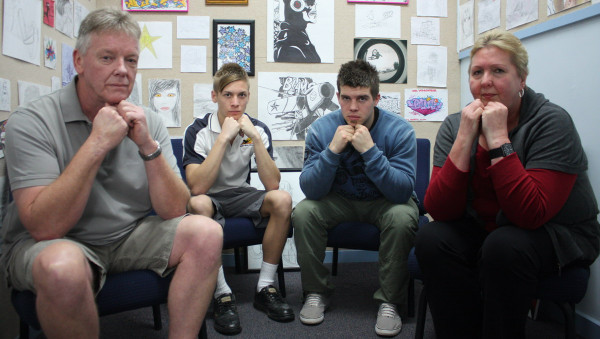
Hospital and school staff, police and students are the latest people to join the
push for more youth-focused mental health services in Swan Hill.
After the
town’s application for a headspace facility was denied earlier this month,
community members expressed outrage that some of the state’s worst youth mental
health statistics had been ignored.
During 2008/09, the Swan Hill
hospitalisation rate for intentional self-harm (4.2 per 1000 adolescents) was
more than triple the statewide rate.
Member for Mallee John Forrest said,
after discussions with Federal Minister for Mental Health Mark Butler, Swan Hill
had missed out because of the criteria on population.
“The problem is the
criteria they use, it’s very much focused on large populations, so it doesn’t
reflect anything to do with isolation.
“What we’ve got to have is a regional
influence.
We have a model for aged care where the more isolated would get
more than if they were in a big city.”
Mr Forrest said Swan Hill community
members must “keep up the rage” if they were to acquire a headspace facility.
“We’re going to keep nagging until Swan Hill is recognised,” he
added.
Swan Hill
College’s counsellor of 12 years Paul Prendergast said the number of students
with depression and anxiety had increased of late and he currently had about 80
kids “on the books” for counselling.
“Last year we saw a massive increase
from Year 9 upwards at the serious end of depression and anxiety or both,” Mr
Prendergast said.
“They’ve been recognised by parents, teachers or other
staff as not travelling too well, they’ll talk to someone in wellbeing ,” he
said.
Swan Hill District Health youth counsellor Graeme Hill he was
inundated with referrals and there was a lack of resources in tackling the
region’s youth mental health problems.
Mr Hill said said if all services
were located at the same place there would be a faster response for sufferers.
“It would certainly improve the self-harm rates that have been existing for
many years.
“There’s still a stigma around mental health. There are things
we know about, but we don’t know about the things behind closed doors, that kids
don’t bring up to a youth counsellor.”
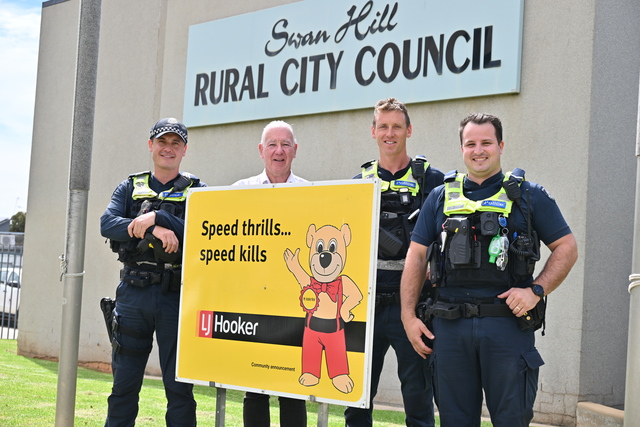
Swan Hill police youth resource
officer Andrew Downes said he thought a headspace centre would assist police who
often deal with the end result of youth mental illness.
“If a headspace
program was introduced it would alleviate some of the issues that present to
police.
“But when you talk about youth mental illness, it covers drugs,
alcohol, depression, family issues, it’s not just a single entity.”
Mr Downes
said mental health related issues could be “very confronting” for
police.
“From a police point of view, we’re not experts, so we deal with what
is presented to us, and seek and refer to expert advice.
“We need to offer a
pathway to work with their condition so can work to a positive
conclusion.”
He said community-wide involvement was key.
“Having the
community on board in supporting people through family, through community
events, organisations… is a very important way to in alleviating many of the
mental health issues.”
Swan Hill College year 11 student James Domaille and
ex-student Michael Cockfield said they knew of “too many” people to self-harm
through mental illness.
Michael, now 20 years old, said in his experience,
youth problems needed a targeted solution.
“Youth problems are probably
different to adult problems – trouble at home, at school, family violence.”
Lifeline — 131114