
AUDITS have been conducted around the Swan Hill shire in a bid to develop an
educational plan for locals to recycle their materials correctly.
Over the
past two weeks Swan Hill Rural City Council in conjunction with Ellwaste
randomly selected 150 kerbside bins that were sorted to build a report on
average recycling and contamination rates.
Council’s director of
infrastructure David Leahy said the data from the report would be used to inform
future educational programs to improve awareness on recycling.
Swan Hill
Council’s waste manager Ron Gibbs advised residents to ensure they placed their
waste in the correct bins.
“Items like food waste, clothing, and plastic bags
have no place in the yellow and green recycling bins and should be placed in
your red waste bin only,” he said.
As an act of courtesy, residents are
encouraged to follow simple procedures to not only improve the environment, but
ultimately to create a more pleasing atmosphere for waste workers.
As a
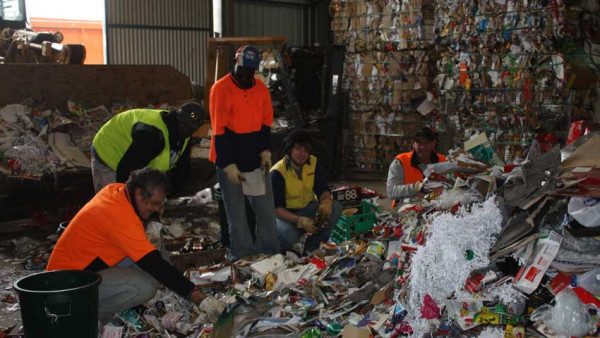
result, Mr Gibbs wanted to remind everyone that their rubbish was sorted by
workers and not machines.
“Soiled, dirty or inappropriate items increase
occupational health and safety risks and make the overall process unpleasant,”
he said.
The following simple recycling steps help create a pleasant waste
sorting environment:
• Always ensure items are rinsed out before disposing of
them.
• Remove lids from any containers or bottles.
• Ensure all items
are loosely placed in the bins. Do not place items inside one another or in
plastic bags.
• Meat trays, clothes and polystyrene are not recyclable.
• Never use or dispose of plastic bags in kerbside recycle bins.
• Swan
Hill Rural City Council offers a wide range of specialist recycling services
through the Swan Hill Landfill, free of charge. This includes televisions,
computers, fluorescent light bulbs, batteries and scrap metal.