
THE COUNSELLOR
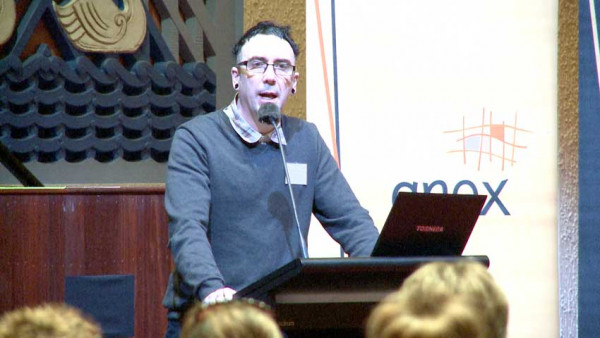
Gordon Leschke
SWAN Hill District Health counsellor,
primary care division Gordon Leschke provides treatment pathways for clients
using alcohol and other drugs.
He said he had not noticed a spike in the use
of amphetamines, but had seen an increase in people accessing the service for
drug related issues, although not specifically ice.
He said often
amphetamine-type stimulant drugs, including ice were associated with “polydrug
use”.
In dealing with the effects of alcohol and other drugs, he said
cognitive behavioural therapy had the greatest efficacy, however he said the key
was that the client needed to want to cease their use.
Clients dealing with
ice-related addictions who had presented themselves to the free, confidential
service experienced depression, anxiety, anger, insomnia, lack of motivation,
paranoia and self-harming thoughts, among other symptoms.
“The brain becomes
depleted,” Mr Leschke said.
“It’s like if there is no fuel in the car, it
doesn’t matter how many times you press the accelerator it is not going to start
— there’s no fuel left.
“Drug use occurs right across the social spectrum,
and no community is immune from these problems that arise.”
THE POLICE OFFICER:
Gerard Kelly
IN THE course of his job, Swan Hill
Police detective senior constable Gerard Kelly comes into contact with people
affected by methamphetamine once they have committed a crime.
He said they
could appear “physically jittery [and] shaky” and have an irrational
demeanour.
“Sometimes they can be aggressive or emotional, sometimes they
don’t know what they are doing, issues with aggression can cause issues later
on,” he said.
“Usually when you deal with them, they haven’t slept for days,
so you have to be aware.
“They can’t keep still, you have to sit them down to
get anything rational from them.”
He said the drug had the potential to
affect all aspects of life, from their family to employment and
finances.
“Often when we get to talk to them, we find they are self-absorbed
and living a self-indulgent lifestyle to the detriment of their family.
“We
know for a fact they steal from family and friends — any way to support their
habit, and if that dries up, then they start committing crime.
“The physical
health of their body [is also affected] — they don’t eat, don’t sleep, their
whole physical appearance begins to deteriorate.”
“The addiction affects their
life more than other drugs.”
Mr Kelly said families were often not aware of
the severity of the addiction until the user was in police custody.
“It’s
very emotional for families, a lot of them don’t realise their child has got a
problem until it’s too late,” he said.
For more of this story, see Friday’s Guardian (September 13).