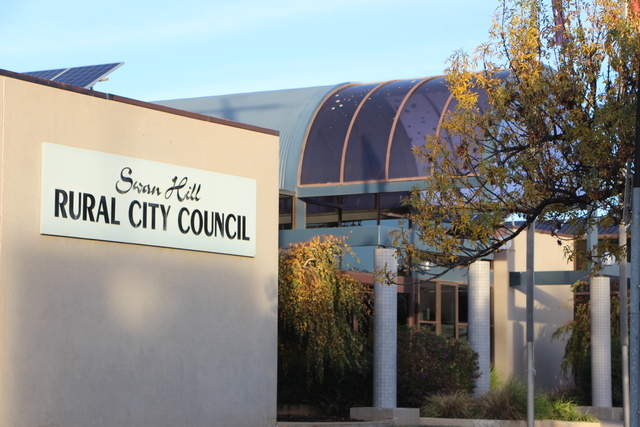
THE tri-state fruit fly exclusion zone, which includes the Swan Hill region, will be a focal point for research aimed at combating the destructive Queensland fruit fly. The CSIRO is hopeful a solution for the problem is on its way.
Until recently, farmers used agri-chemicals to prevent and manage incursions and to access interstate and overseas markets.
However, legislation change saw the Australian Pesticides and Veterinary Medicines Authority restrict the use of these insecticides.
Realising the need to address the spread of fruit fly with a new approach, the CSIRO have turned to non-chemical means to combat fruit fly.
Over the next five years, the CSIRO — in partnership with industry and government — will work on a $15 million project to develop a male only, sterile line of Queensland fruit fly.
But researchers have hit a snag with the cost of breeding the sterile line.
CSIRO biosecurity flagship science director Dr Gary Fitt said half of the insects bred in the mass rearing sterile insect technology (SIT) program — the female insects — cannot be used.
Consequently, researchers are working on developing a “male only range” of Queensland fruit fly.
“If we can do that, it immediately halves the cost of the [SIT] technology,” Dr Fitt said.
“The other thing we are doing is working on producing very fit flies so they are fit for producing in the field — that is the problem with lab reared flies, they are often very fitness poor.”
For more on this story, pick up a copy of Wednesday’s Guardian (December 24).