AN ECOLOGIST with extensive research in Mallee habitats believes propping up dingo numbers in the region will help control local pest species and problems associated with planned burning.
Senior lecturer in ecology at Deakin University Dr Euan Ritchie told attendees of a biological sciences seminar at the University of Queensland on Friday that interactions within Mallee ecosystem food chains were out of balance.
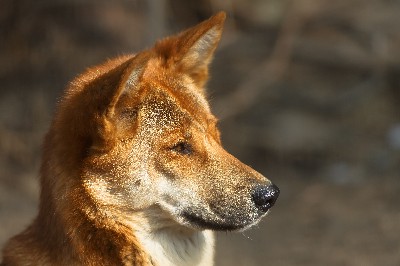
According to Dr Ritchie, the apex predator of the Mallee landscape, the dingo, was in decline, allowing invasive species in the middle order of the food chain — like feral cats and red foxes — as well as native pests like kangaroos, to become overabundant.
Dr Ritchie said this had adverse flow-on effects for local farmers (who had more pests to deal with), and for the region’s biodiversity, with many lower order species becoming extinct.
“To more effectively and efficiently manage the Mallee region’s biodiversity we must focus on communities,” Dr Ritchie said.
“Much of what happens at the moment is focused on single species or processes, for example we control goats, kangaroos, foxes, dingoes, or fire.
“We rarely stop and ask, how does managing one affect another? Could we manage things more ecologically effectively and cost-efficiently by managing species and processes in an integrated way”
“The issue is that many species are interacting, so with dingoes for example, if you kill them you might expect to see more foxes, kangaroos and goats, because dingoes are very good at controlling these other animals.
“So managers are spending a lot of money and a lot of time trying to control overabundant kangaroos or goats when, really, if we just let dingoes do what they do naturally — and for free — then we probably won’t need to have to constantly intervene and spend precious management dollars.”
Making the situation more complicated, Dr Ritchie said, was when authorities conducted planned burns to reduce the impacts of damaging bushfires without considering the knock-on effects they had on local ecosystems.
“What fire does, of course, is open up habitats, which means there’s less cover for native animals, meaning red foxes and feral cats can more easily hunt and kill them, made all the worse by a lack of dingoes to control foxes and cats,” Dr Ritchie pointed out.
“If we can manage fire better and not burn as much in some areas or at certain times, that will be beneficial as well.
“We’ve also found evidence that increasing burning actually leads to increasing kangaroo numbers, which are a major issue in some parts of the Mallee.”
The answer to these complex problems was to better understand how local ecosystems worked from the top down, and incorporate that knowledge into conservation, land management and burning techniques, Dr Ritchie proposed.
“From above to below the ground, we’re investigating how the whole system works, rather than simply focusing on individual aspects and species, and by doing so we’re confident we will be able to guide more effective and cost efficient biodiversity conservation and management,” he said.
Dr Ritchie is behind “The Big Roo Count”, an important survey of kangaroo numbers in Northern Australia. For more information or to donate to the cause, visit the project’s website here.