NATIONAL agricultural water use, though still high, declined over 2013-14 due to a decrease in the amount of water allocated to irrigators in the Murray Darling Basin, according to the Australian Bureau of Statistics (ABS).
Total water used for agricultural production across the nation in 2013-14 declined by three percent from 2012-13 but remained high at 11.6 million megalitres, according to ABS figures released on Friday.
The ABS’ Sarah Kiely said decreased availability for Murray Darling Basin irrigators was the main reason for the decline.
“The main contributor to this decline in agricultural water use was a decrease in the amount of water allocated to irrigators in the Murray Darling Basin, combined with a reduction in purchases of temporary and permanent water,” Ms Kiely said.
“The decline was most prevalent in New South Wales, where water use dropped 13 percent to 4.5 million megalitres.”
Despite the overall decline, New South Wales remained the state with the highest volume of water used for agriculture, with Victoria coming in third, using 2.7 million megalitres.
“Reflecting the adverse seasonal conditions across the eastern states, Queensland saw a 47 percent increase in the volume of water applied to sugar cane crops, while in Victoria, the volume of water applied to pasture and crops used for grazing, hay and silage increased 24 percent,” said Ms Kiely.
Southern Riverina Irrigators chairman John Bradford said he wasn’t surprised by the figures.
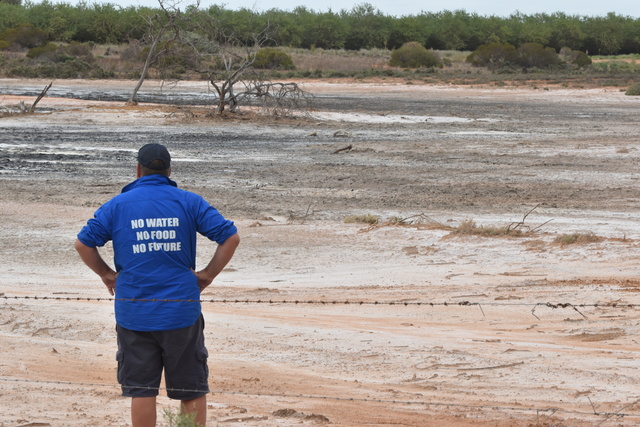
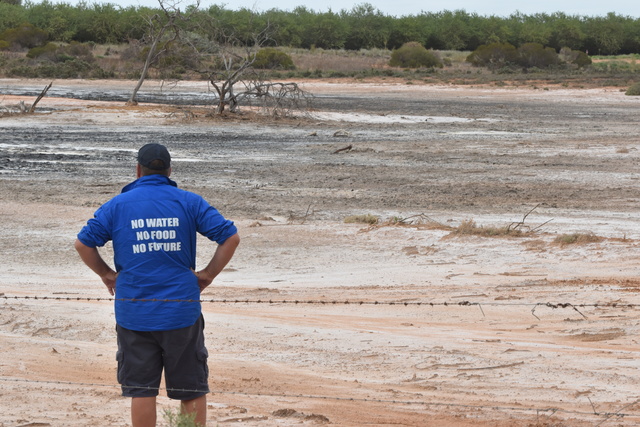
“Within the Murray Irrigation Footprint, we’ve lost over 27 percent of our water entitlements from the basin plan, and that’s a straight loss of production,” Mr Bradford said.
“You lose production on the farm, but the ripple effects run through the whole community.”