Home » 2017 » Declining national water use no surprise to local irrigators

Declining national water use no surprise to local irrigators

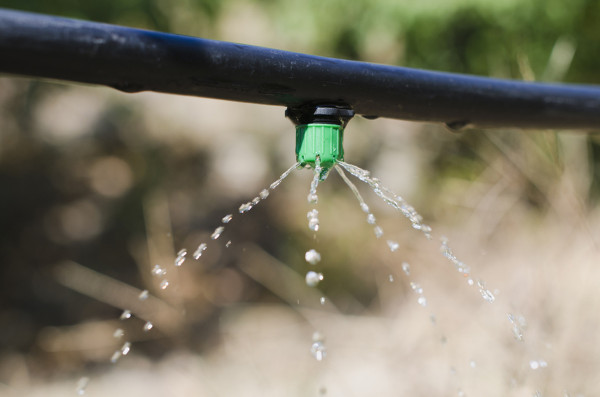
NATIONAL agricultural water use, though still high, declined over 2013-14 due to a decrease in the amount of water allocated to irrigators in the Murray Darling Basin, according to the Australian Bureau of Statistics (ABS).

Total water used for agricultural production across the nation in 2013-14 declined by three percent from 2012-13 but remained high at 11.6 million megalitres, according to ABS figures released on Friday.

The ABS’ Sarah Kiely said decreased availability for Murray Darling Basin irrigators was the main reason for the decline.

“The main contributor to this decline in agricultural water use was a decrease in the amount of water allocated to irrigators in the Murray Darling Basin, combined with a reduction in purchases of temporary and permanent water,” Ms Kiely said.

“The decline was most prevalent in New South Wales, where water use dropped 13 percent to 4.5 million megalitres.”

Despite the overall decline, New South Wales remained the state with the highest volume of water used for agriculture, with Victoria coming in third, using 2.7 million megalitres.

“Reflecting the adverse seasonal conditions across the eastern states, Queensland saw a 47 percent increase in the volume of water applied to sugar cane crops, while in Victoria, the volume of water applied to pasture and crops used for grazing, hay and silage increased 24 percent,” said Ms Kiely.

Southern Riverina Irrigators chairman John Bradford said he wasn’t surprised by the figures.

“Within the Murray Irrigation Footprint, we’ve lost over 27 percent of our water entitlements from the basin plan, and that’s a straight loss of production,” Mr Bradford said.

“You lose production on the farm, but the ripple effects run through the whole community.”

Digital Editions


  • Heat and fire danger set to rise

    Heat and fire danger set to rise

    VICTORIA is set to experience an extended period of heat between Saturday and Tuesday, which will also cause elevated fire danger. Gannawarra and Swan Hill…

More News

  • From Rural Villages to Urban Schools: ELARA’s Campaign for Menstrual Equity in Asia

    From Rural Villages to Urban Schools: ELARA’s Campaign for Menstrual Equity in Asia

    Across many parts of Asia, the monthly cycle silently restricts opportunity. For countless adolescent girls, lack of access to reliable menstrual products means missing school, not just for a day…

  • Freemasons fund futures

    Freemasons fund futures

    COUNTRY school leavers have been given a significant headstart as they embark on the next stages of their education. The Swan Hill Freemasons Lodge awarded five former local students a…

  • Future leaders ready for liftoff

    Future leaders ready for liftoff

    TEENS are encouraged to learn new skills and broaden their horizons with the Australian Air Force Cadets Squadron Swan Hill. Through weekly parade nights during the school term and unique…

  • Solar flare lights up sky

    Solar flare lights up sky

    THE skies were once again lit up with Aurora Australis as high as Queensland late on Tuesday night and into Wednesday, as a severe solar storm hit the earth. Nyah…

  • Council centre saves lives, say residents

    Council centre saves lives, say residents

    THE Piangil Community Centre is not only a focal point where residents and groups come together, but may be critical to saving lives during summer heatwaves, users say. Dianne and…