CONSERVATIONISTS say the Murray-Darling Basin Plan has become a ‘whipping boy’ for basin communities struggling with economic difficulties brought on by changes in the world around them.
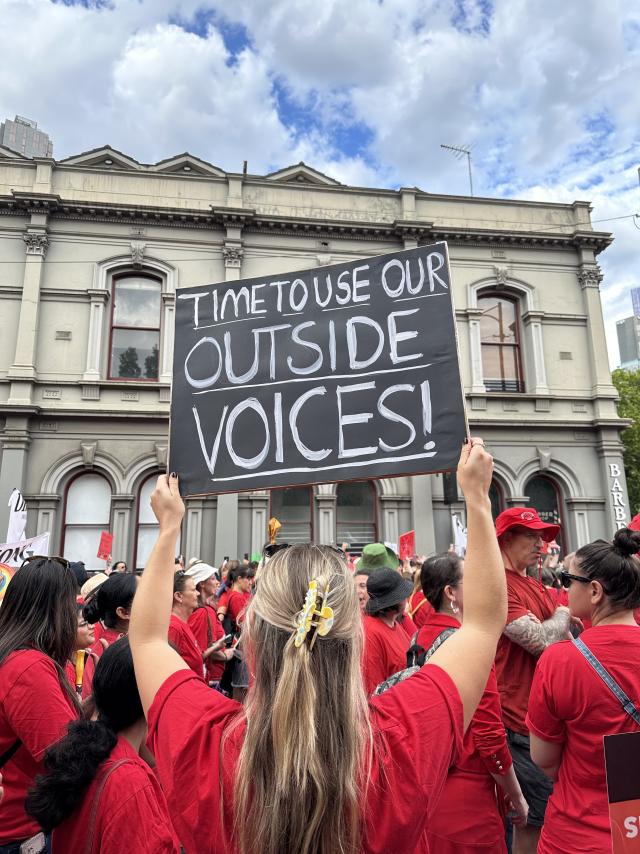
Last Wednesday, more than 1000 growers and members of their communities attended a Basin Plan forum in Barham to vent frustration about the perceived socioeconomic injustices caused by the Basin Plan’s implementation.
Their concerns ranged from the rising costs and decreased availability of productive water to the disintegration of communities as a result of irrigators leaving them to find more viable employment elsewhere.
However, Environment Victoria healthy rivers spokeswoman Juliet Le Feuvre hit back this week, saying these trends were being observed in farming communities all around the country — not just across the basin — and were occurring even before work on the Basin Plan began.
“Agriculture’s becoming more efficient all across the country, less people are employed in agriculture than there used to be,” Ms Le Feuvre said.
“To blame the Basin Plan for that, it’s become a bit of a whipping boy, a thing that’s the cause of everything that’s bad.”
Ms Le Feuvre said the creation of the water market, which happened before the Basin Plan was developed, made the cost of productive water subject to the rises and falls of supply and demand.
With drier conditions than usual in recent years, combined with new entrants in the market (such as cotton growers moving into the southern basin and almond growers around Mildura) demand for productive water was increasing, she said.
“But the other side of the story is there’s a huge investment in irrigation which these communities are not being told about,” she added.
“We’re investing $2.5 million a day in irrigation infrastructure, which is such a massive sum — there’s no other agricultural sector getting a comparable level of investment, and the benefits are coming through.”
The organiser of the Barham meeting, Benjeroop farmer Lindsay Schultz, said he couldn’t respond directly to Ms Le Feuvre’s claims in time for print.
However, he invited her on a tour of Benjeroop to see the direct affects the water buyback scheme — implemented under the Basin Plan — has had on the small town.
For this and other stories, grab a copy of Wednesday’s Guardian (July 15).