EMOJIS are at the cutting edge of language 🙂 — but what does it all mean and why are we communicating with pictographs anyway?
Now the pictograph :,D (officially called the ‘Face with Tears of Joy’ emoji) has been recognised by the Oxford Dictionary as Word of the Year 2015.
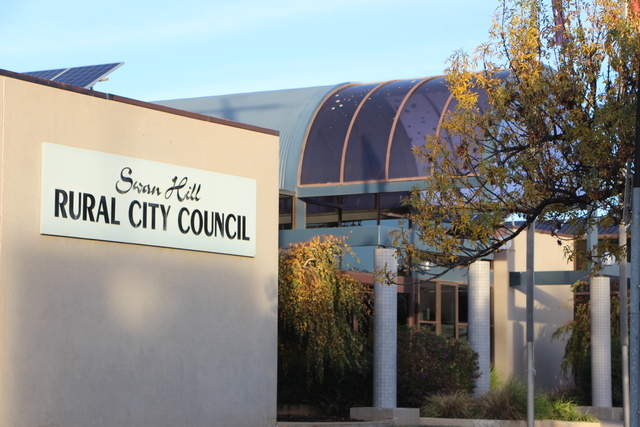
According to Camille Cullinan, manager of cultural development and libraries at Swan Hill Regional Library, emojis have been so successful because they add another expression to text.
“For us [in the older generation] it’s a bit of a learning curve,” she said.
“We send them in emails to each other to express the mood.
“Sometimes you look at a message and think, ‘that’s not quite right,’ and you need to add [an emoji].
Ms Cullinan also believes that emojis are beneficial to communication.
“I’m quite bad, I use them when someone else does, there’s obviously an etiquette to it.
“In some ways I can see it complements the way we communicate now … it’s so full on, it can help if you can find them too,” she said with a laugh.
The same study states that one in five Victorians claim that emoji should be recognised as its own official language.
Ms Cullinan seems to be on board with that statistic.
“It’s the next version of language,” she said.
According to research by smartphone maker OPPO, 59 per cent of Victorians believe that emojis have now become the universal languages for messages.