A LOCAL school principal has spoken out about her frustration at a federal government decision to cut 478 VET courses from it’s approved student loans list.
A large portion of the cut courses are arts-related with a reduction from 70 to only 13, according to the governments new criteria.
Funding for student loans for all creative programs has been capped at $10,000 compared to $15,000 for agriculture and engineering.
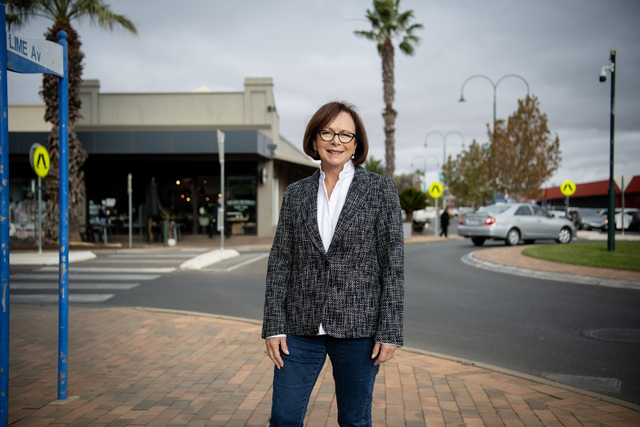
Swan Hill Specialist School principal Jodi Walters has been a strong advocate for promoting performing arts in the region.
She said the cuts will disadvantage some students and lead to a devaluing of performing arts as a legitimate career.
Minister for Education Simon Birmingham said the approved courses were based on a skill needs list based on economic need in Australia. It is designed to ensure students are only funded in areas where there is a maximum chance of finding a job.
“We want to ensure that the courses that Australian taxpayers are subsidising and that we want to encourage students to study will optimise employment outcomes,” he said.
“Currently there are far too many courses that are being subsidised that are used simply to boost enrollments, or provide ‘Lifestyle’ choices’, but don’t lead to work.
VET student loans for diploma level and higher qualifications have made the opportunity to study at a tertiary level possible for some families.
Under the new changes, students will not have the chance to repay fees through a loan system. Some of the 478 courses affected include diploma level photography, journalism, performing arts, stained glass art, jewellery-making, art therapy and animation.
Mrs Walters said her concern lay with the message this sent to students who aspire to a career in the arts.
“I’ve spent 30 years in the education system encouraging children to pursue their dreams,” Mrs Walters.
“These cuts send the message that artists dreams are not worth having, that they’re rubbish. It is devaluing a large section of the population and what they’re good at.”
“It is also a double disadvantage for rural students who already bare extra costs in going away for education.”
For more on this story grab a copy of Friday’s Guardian October 21 2016.