EXTREME heat is now claiming more lives in Australia than any other natural disaster, according to health authorities.
The toll from scorching temperatures surpasses the combined impact of bushfires, floods, and cyclones, making it a pressing public health concern.
The most vulnerable to the deadly effects of extreme heat include people over the age of 65, infants, pregnant women, those with acute or chronic health conditions, and socially isolated individuals.
The health risks associated with heatwaves range from heat exhaustion and heatstroke to the exacerbation of existing medical conditions like kidney or lung diseases.
Additionally, sudden heart attacks or strokes can be triggered by prolonged exposure to high temperatures. events.
A series of guidelines has been issued, emphasising the importance of staying cool, staying hydrated, planning ahead, and checking in with vulnerable members of the community.
In September, the Bureau of Meteorology announced an El Nino event for Australia this summer.
This means that parts of Australia will likely experience warmer and drier conditions with minimal rainfall, increasing the risk of heatwaves and fire danger.
Key recommendations
Stay cool on hot days
- Use airconditioning or fans to maintain a comfortable indoor environment.
- Wear light and loose-fitting clothing to facilitate heat dissipation.
- Keep skin wet by using a spray bottle or damp sponge.
- Take cool showers or foot baths in cool tap water.
- Employ strategies such as wrapping ice cubes in a damp towel and placing it around the neck.
Stay hydrated
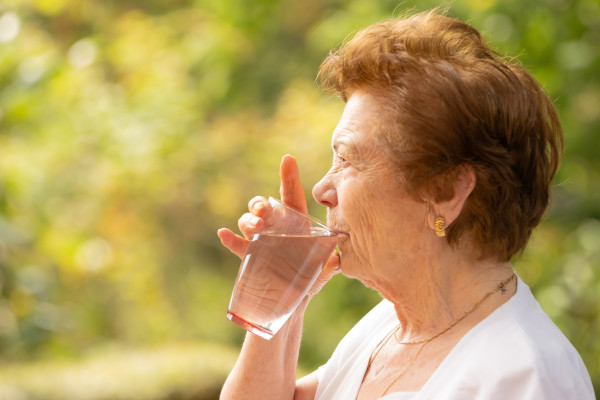
- Drink plenty of fluids to prevent dehydration.
Check in with others
- Maintain regular communication with friends, family, and neighbours, especially those who are more susceptible to heat-related illnesses.
Plan ahead
- Be prepared for hot weather by anticipating and addressing potential challenges.
- Consider spending time in cool places such as airconditioned shopping centres or public libraries.
Recognising the early signs of heat-related health problems and taking swift action is emphasised as crucial in the guidelines.
Health authorities are urging people to be vigilant and seek medical attention promptly if they observe any symptoms of heat-related illnesses in themselves or others.
For medical advice or assistance, call Nurse-on-Call on 1300 606 024, consult a doctor, or reach out to the Victorian Virtual Emergency Department www.vved.org.au/ for non-life-threatening emergencies.
As temperatures continue to rise, community awareness and adherence to these guidelines are vital to curbing the devastating impact of extreme heat on public health.