Missed your last Dental Check-up?
Here is a very good reason not to miss your next one!
What is oral cancer?
Oral cancer is a potentially fatal disease that can affect people of all ages. It is an aggressive disease with a survival rate of only 50 per cent over five years. This is due to multiple factors.
• It can often go undetected until the cancer is advanced.
• It often does not cause the patient to experience any symptoms until advanced.
• It is caused by a variety of lifestyle risks, many of which are a part of the everyday lives of many Australians.
Depending on the stage of cancer at the time of diagnosis, treatment may require surgery, radiation therapy and/or chemotherapy.
Another reason to visit your dentist regularly
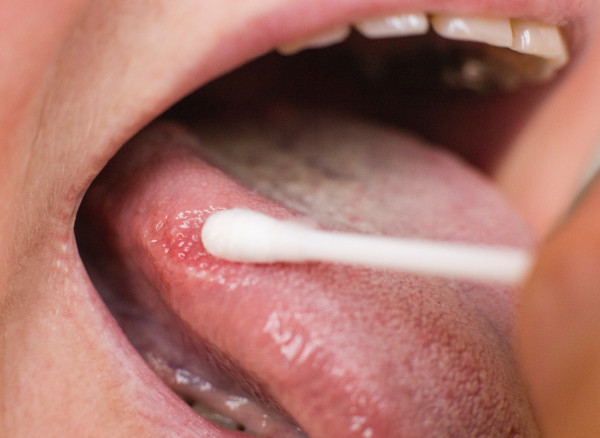
Dentists perform cancer screenings of the head and neck as well as inside the mouth as part of dental examinations. People without teeth and who wear dentures should still visit a dentist regularly for an examination of the gums and other soft tissues in the mouth.
Early detection of possible oral cancer lesions is important to try to improve long-term outcomes. It is also important to detect lesions in the mouth that may develop into cancer. These lesions are made of abnormal cells that are not cancerous but can turn into cancer and are known as pre-cancerous lesions.
Risk factors
There are multiple lifestyle factors that increase your risk of developing oral cancer. Many of these factors are a part of the everyday lives of many Australians. Alcohol and tobacco use are major risk factors for oral cancer development as they introduce cancer-causing material (known as carcinogens) into the mouth. The use of alcohol and tobacco together greatly increases the risk of oral cancer.
Any kind of smoking including vaping, cigarette smoking, cigars, marijuana and any other inhalation habit where you burn the throat increases your risk of oral cancer. The best prevention is quitting. Your dentist can provide advice on strategies to help you quit smoking.
The lesson
You can prevent oral cancer from becoming problematic by detecting it as early as possible during routine visits to your dentist.