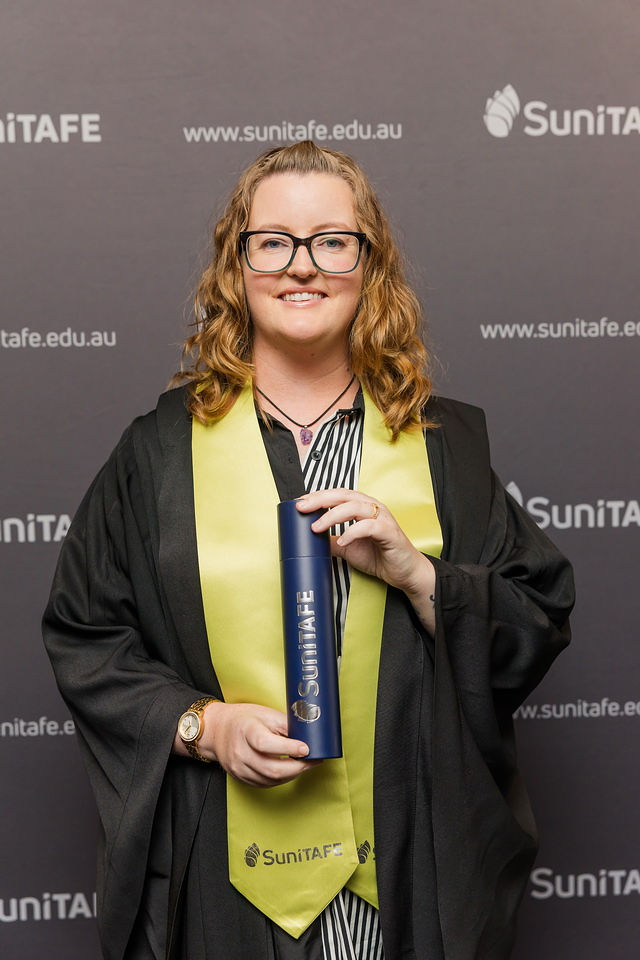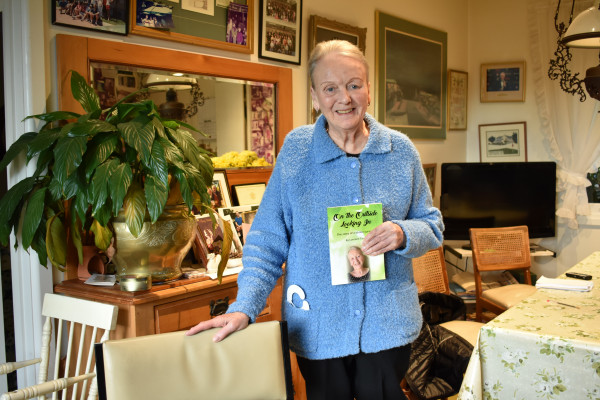
FOR Swan Hill resident Lorraine Taylor, her life “stopped and started all over again” when she suffered a stroke 30 years ago.
She was left paralysed on the left side of her body and visually impaired in both eyes at the age of 48.
Ms Taylor has called on residents to learn the F.A.S.T. (Face. Arms. Speech. Time.) test to help identify a sudden stroke attack, as part of National Stroke Week, which was held August 8-14.
“By learning the F.A.S.T. signs of stroke, you could save the life of a friend, family member or neighbour,” she said.
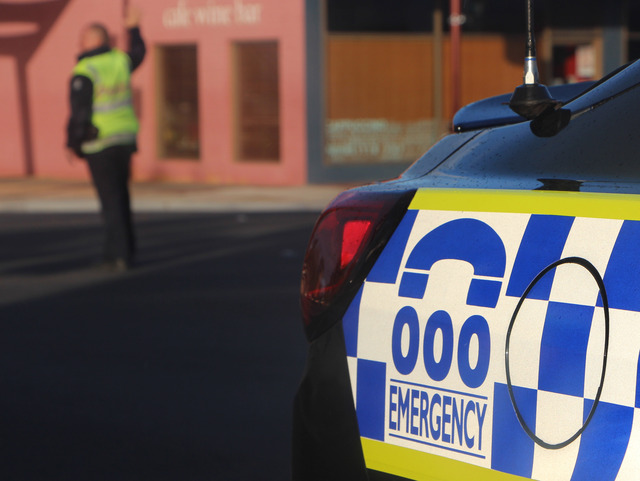
Ambulance Victoria director stroke services Professor Chris Bladin said “time is brain” with stroke, so the quicker you recognise the signs and call Triple Zero (000) for an ambulance, the better the person’s chance is of survival.
“Check the face, is the mouth drooped, is lifting one or both arms difficult, is the speech slurred?” he said.
If so, pick up the phone and call paramedics straight away.”
A recent Deloitte study found 17 per cent of the Mallee population over the age of 15 has high cholesterol, placing the electorate 7th highest in Australia.
That equates to an estimated 21,313 people, which is concerning as high cholesterol is one of the most modifiable stroke risk factors of stroke.
Ms Taylor said in the three months leading up to the stroke, she had suffered from head pains similar to a migraine.
She said the symptoms slowly crept up on her, with the first occurring during a cup of tea at home with a friend.
“I went outside and the pain just hit my head (like a migraine), then she found me out there on my hands and knees, vomiting,” Ms Taylor said.
“This went on throughout the night and my husband rang the ambulance to come and take me to the hospital.”
Ms Taylor said medical staff were unsure what caused the pain in those three months.
She was sent to hospital in Melbourne where the medical staff suspected Ms Taylor had a tumour on her brain.
“I had the stroke down there and the head pain just all disappeared and started in my body,” Ms Taylor said.
Ms Taylor said the stroke has impacted her life “beyond belief”.
“I had to learn everything right from the word go, I had to learn to walk again,” she said.
“I was lucky I didn’t lose my speech or full loss of vision.
“I had to learn how to look after myself, shower myself and virtually how to live again.”
Ms Taylor said it was “absolutely terrifying” to have her life “stopped” and to “start all over again”.
Ms Taylor is one of two founding members of the Swan Hill Stroke Support Group.
Stroke Foundation acting chief executive Dr Lisa Murphy said by turning this number around, strokes can be prevented.
“We know that 80 per cent of strokes are preventable,” Dr Murphy said. “Awareness is key to prevention and treatment so it’s important that people recognise the risk factors like high cholesterol, high blood pressure and smoking, so they can make lifestyle changes where applicable and reduce their risk of having a stroke.”
She said there were several things that could be done to lower high cholesterol.
“Firstly, speak to your doctor about your current cholesterol level and what you should aim for to reduce your risk of stroke,” Dr Murphy said. “Eating a healthy diet that is low in saturated fats and high in fruit and vegetables, being physically active, not smoking and limiting alcohol intake are all steps that can be taken.”**BREAKOUT**
About stroke
– A stroke occurs every 19 minutes in Australia.
– In 2020, 27,428 Australians experienced a stroke for the first time.
– In 2020, more than 445,00 Australians are living with the effects of stroke, 65 per cent of whom live with an ongoing disability that impacts their day-to-day life.
– More than 80 per cent of strokes can be prevented by managing an individual’s stroke risk and living a healthy lifestyle.
– Each year more people are having stroke at a younger age and more regional Australians are having a stroke than their city counterparts.
The F.A.S.T. signs
– Face. Check their face. Has their mouth drooped?
– Arms. Can they lift both arms?
– Speech. Is their speech slurred? Do they understand you?
– Time is critical. If you see any of these signs call 000 straight away.