Home » Farming and Environment » Importers, not farmers, must pay for risks

Importers, not farmers, must pay for risks

MORE needs to be done to protect Australia’s biosecurity but taking more money from Australian farmers is not the answer.

This is the position of representative body NSW Farmers, which says the federal government needs to force importers to pay for the biosecurity threats they create.

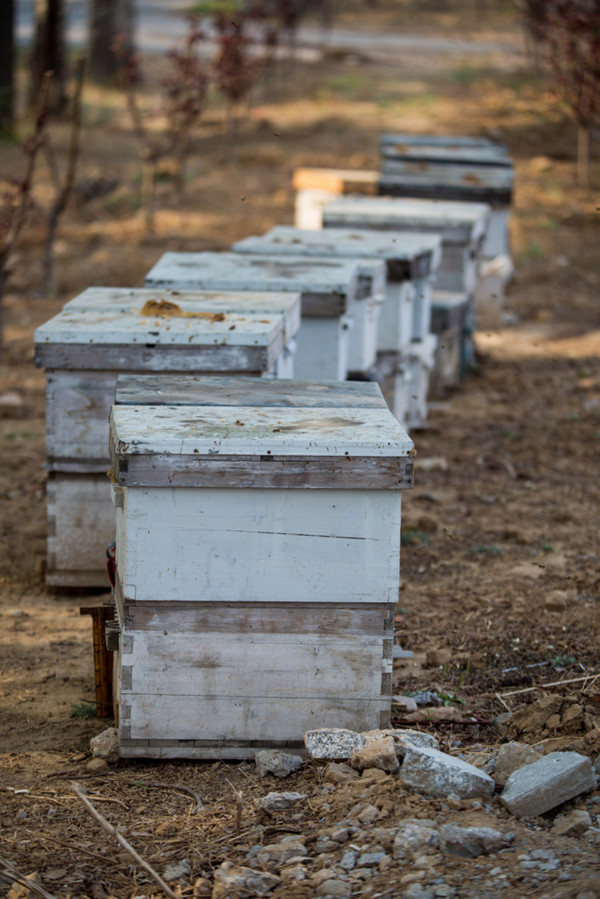
In the wake of the deadly varroa mite spreading across bee colonies in NSW, including being detected recently in hives at Balranald and Euston, eradication of the pest has been declared no longer possible.

NSW Farmers biosecurity committee chair Ian McColl said the outbreak was demonstrative of just how much of a risk exotic animal and plant pests and diseases was.

“We have had a practical demonstration of how difficult biosecurity control efforts can be with varroa mite – despite our best efforts, Australia now has to live with another costly biosecurity failure,” Mr McColl said.

“This underscores how critical detection and prevention is.

“We need all governments appropriately resourcing biosecurity efforts to maintain strong protections at the border.”

But to help create extra funding for these biosecurity measures, the government is currently consulting on a new biosecurity protection levy which will apply to primary producers from July 1 2024.

The levy will be charged to agricultural, fisheries and forestry producers and is intended to collect around $50 million per year, which will be allocated to maintain the Commonwealth biosecurity policy, operational and technical functions.

Mr McColl said the levy should be imposed on importers, rather than farmers themselves who have to bear the brunt of biosecurity breaches.

“Our members have been quite clear that increased biosecurity funding is essential but it should take into account who creates the risk and who already pays,” he said.

“Taxing farmers who are at ultimate risk of biosecurity breaches is not the way to move to improved biosecurity outcomes, especially when that tax might simply fund administrative functions of the federal department and not increase biosecurity prevention, preparedness or response capabilities.”

Independent Member for Murray Helen Dalton has expressed her support for the representative body, opposing the biosecurity protection levy in its current form.

“Clearly, it is importers who should be paying the costs for our biosecurity,” Mrs Dalton said.

“Asking farmers to pay for it is just not on.

“It’s not farmers who are making big dollars from importing this food.

“It’s not farmers who are importing biosecurity risks such as varroa mite.”

Mrs Dalton was also sceptical that any levy that farmers paid would actually go towards improving biosecurity outcomes.

“It may end up paying for more bureaucrats and more paper shuffling,” she said.

“Farmers should not be paying for improved biosecurity, when they are already paying for the serious failures in biosecurity that we have seen recently.”

Digital Editions


  • Fast start needed for Roos, Swans

    Fast start needed for Roos, Swans

    WITH their seasons delicately balanced after five rounds, Balranald and Swan Hill enter tomorrow’s clash knowing a place inside the top eight could hinge on…

More News

  • New Book by Siwar Al Assad Sheds Light on Syrian Minorities’ Struggles

    New Book by Siwar Al Assad Sheds Light on Syrian Minorities’ Struggles

    Siwar Al Assad’s “Damascus Has Fallen“ gives a clear, personal look into the difficult realities Syrian minorities have faced during periods of conflict. Drawing from history and individual memory, the…

  • From dreams to silver springs

    From dreams to silver springs

    THERE’S a special kind of magic required to step into the swirling shawls and unmistakable voice of Stevie Nicks, and for Nikki Canale, it’s a role she does not take…

  • You heard it right

    You heard it right

    SWAN Hill’s Country Hearing Care has been recognised among the state’s best rural health providers after being named a finalist in the 2026 Victorian Rural Health Awards. The health service…

  • Ambo response times steady

    Ambo response times steady

    AMBULANCE response times across Swan Hill remained largely steady over the past year, despite crews facing increasing pressure and longer waits for non-emergency callouts. New third quarter 2025/26 performance data…

  • Tourism town finalist

    Tourism town finalist

    SWAN Hill has once again been named a finalist for the Victorian Top Tourism Town Awards. The Victorian Tourism Industry Council awards aim to recognise and reward towns that demonstrate…

  • Saleyard turns profit

    Saleyard turns profit

    THE Swan Hill Regional Livestock Exchange is back in the black and looks set to post a profit for the 2025-26 financial year, after a reversal of financial fortunes in…

  • Final attempt to stop major works

    Final attempt to stop major works

    THE Nyah district community has taken a stand against the planned construction of levees to control the flow of water through the Murray River in Nyah Vinifera Park, which was…

  • Celebrating 102 years

    Celebrating 102 years

    FOUR generations came together at Alcheringa Aged Care Home on Wednesday to celebrate a remarkable milestone, as family matriarch Kathleen ‘Nell’ Flight marked her 102nd birthday. The milestone event brought…

  • Digital Dreamtime

    Digital Dreamtime

    THE Art Gallery of Swan Hill is set to become a meeting place for colour, memory, and Country as Josh Muir’s Forever I Live exhibition opens Friday night. The late…

  • Square set for makeover

    Square set for makeover

    RESIDENTS are being invited to help shape the future of one of Robinvale’s key public spaces as plans progress for a major makeover of the popular Caix Square. The $250,000…