GLENDA Nicholls remembers vividly as a 13-year-old the “quietness” at her family home as they surrounded the radio to hear the results of the 1967 referendum to count Indigenous people in the Census.
Now, 56 years later, that quietness surrounds the results of the latest referendum, although this time it is a different kind of disbelief.
“I can’t find the right words,” Ms Nicholls said.
“It’s a sort of numbing feeling – I sort of feel like I am back on the mission station.
“This is twice in my life now that other Australians have made a choice for me, decided my future for me, and it will never happen again.”
After a long and tumultuous campaign, Australians overwhelmingly voted against an Indigenous voice to parliament. The Mallee electorate topped the “no” vote in Victoria with 79.2 per cent from more than 100,000 votes counted.
As a Yorta Yorta, Wadi Wadi and Ngarrindjeri woman born and raised in Swan Hill, Ms Nicholls said that while she was devastated at the results, it was somewhat expected.
“I think I was more shocked at the actual percentage of ‘no’ votes in our region,” she said.
“If it was closer to the 50 per cent mark, that wouldn’t have been so concerning for me. But to be 79 per cent, it goes to show what’s going on.”
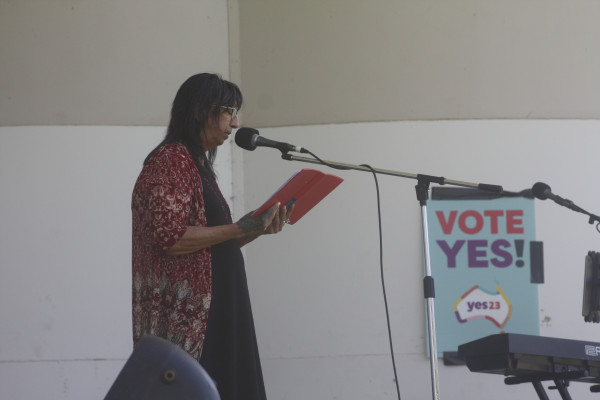
Swan Hill Writes Yes Alliance member Peta Thornton said that while the group had not yet had a chance to come together to decide on an official response, many members were saddened and disappointed by Saturday’s result.
She said the Voice was “a modest proposal” that would have improved lives.
“I will not speak for First Nations people, who are part of the Alliance, but the voting data is showing that Aboriginal and Torres Strait Islander people voted overwhelmingly to be recognised and heard through a Voice to parliament, but the majority of Australians did not support the proposal, instead opting for the status quo,” Ms Thornton said.
“This outcome shines a light on who we are as a nation, rather than who we claim to be.
“We have to ask ourselves – who did we listen to, did we look up to properly understand the issue and were we driven by the fear of losing something, or the hope we could improve things? Did we have compassion or were we mean-spirited toward Australia’s First People?
“First Nations members of our alliance participated bravely and with great generosity, sharing their stories and experiences … I am grateful and feel privileged to have walked together with them through this.”
Ms Nicholls hoped that some positives may come out of the referendum in that questions will be raised, but she said it was the continuation of a long, heart-breaking journey for First Nations people.
“I just feel sometimes that maybe some people need to step in to our shoes, not just for a day or a couple of hours, but for a week, maybe a month, and see what it is like,” she said.