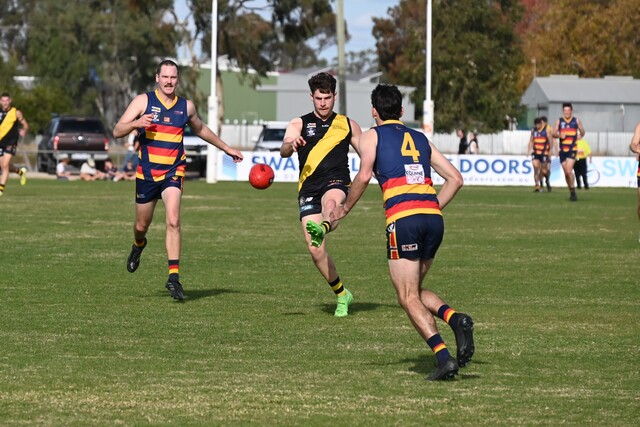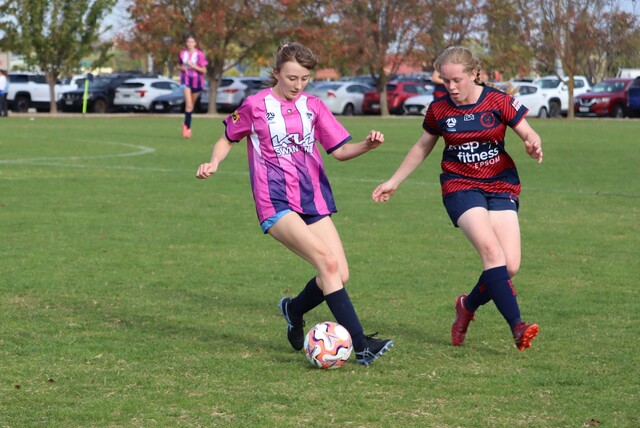
THE weather is warming up, tree blossoms are sprouting, footy finals fever is over and those of us with allergies are starting to experience sneezing, irritated throat and ears, and itchy and watery eyes.
At Swan Hill and Kerang Optical, spring means the presentation of patients suffering from mild to severe symptoms of perennial allergic conjunctivitis.
“When people hear the word conjunctivitis, they usually think of a bacterial infection. Conjunctivitis, however, is the general term used to describe inflammation of the mucous membrane covering the eyeball and inside the eyelids, and the causes are not just confined to a bacterial infection,” local optometrist Jenalle Pye said.
“Other types include allergic, viral, contact lens intolerance, autoimmune conditions, parasitic infections such as chlamydia, and chemical exposure.
“Unfortunately, when patients have a red sore eye, they often self-treat or are wrongly prescribed with topical antibiotics. Antibiotics will only help if the patient has a bacterial infection, and left incorrectly treated for too long, can lead to long term consequences on vision and eye health.
“For example, if the type of conjunctivitis is viral, antibiotics are going to have no effect whatsoever on reducing symptoms or eliminating the causative agent.
“Likewise, if the type of infection is fungal and treated incorrectly with an anti-inflammatory drop, then the fungal infection can be in fact be exacerbated, leading to scarring and in some cases, severely reduced vision.”
Jenalle said local pharmacists were fantastic at advising patients to have an examination with their optometrist to determine the cause of the conjunctivitis.
“This co-management means that patients are able to be examined, the causative agent of the conjunctivitis determined, and the correct treatment prescribed accordingly,” she said.
“Whether that be with antihistamine drops, non steroidal or steroidal anti-flammatory drops, antiviral ointments or other.
“Our optometrists at Swan Hill and Kerang Optical are all therapeutically endorsed, meaning they are qualified to prescribe topical medications to treat eye conditions.
“At this time of the year, we see more presentations of perennial or seasonal hayfever from exposure to grass and tree pollens.
“In our region, such symptoms peak during the harvest of crops and cutting of hay from October through to December.”
Jenalle said when the allergen comes into contact with the eyes, the body automatically releases histamine, which leads to the symptoms of red, watery and itchy eyes.
Book an appointment online at www.swanhilloptical.com.au