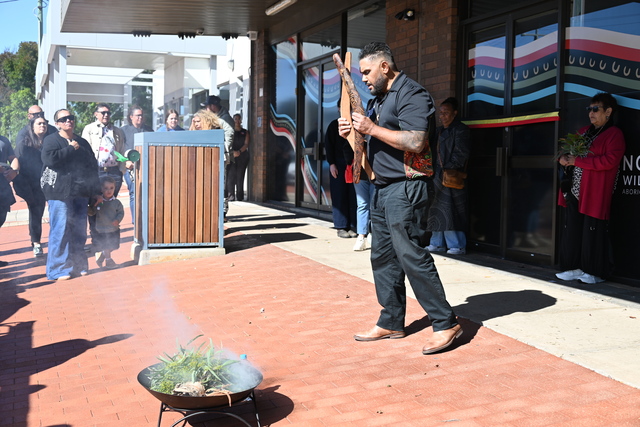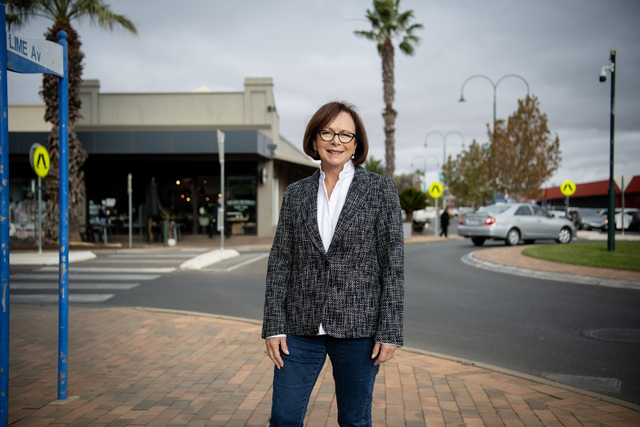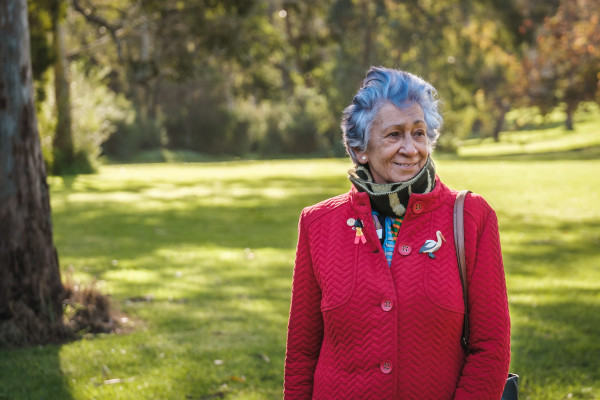
CHAIR of the Yoo-rrook Justice Commission, Professor Eleanor Bourke says the community was “hungry for company and a cultural experience” at the formal opening on March 24.
She said Australia’s first and only formal truth and justice process will put on the public official record, the stories and experiences documenting the impact up until now of colonisation.
“It will also suggest changes to systems that are not quite working,” Prof Bourke said.
“Because two different stories have been told.”
As part of this process there will be regional visits including to Swan Hill on April 6 from 10am to 12pm at The Grain Shed.
Swan Hill elders will be able to provide feedback and guidance during elders’ yarning circles and “share their priorities for the historic work moving forward”.
One side of Prof Bourke’s family were the Wamba Wamba people from near Lake Boga and so she is keen to return to the region and bring the stories of locals to the fore.
“The story since settlement still impacts us now, there are still issues that go back to the beginning,” she said.
“It’s only four or five generations for some of us.”
Many systemic issues are also ongoing whether that is the continued high rates of child removal from First Nations families or the overrepresentation of Indigenous children in juvenile justice.
The commission will make recommendations at its conclusion, which Prof Bourke hopes will lead finally to reform.
“Hopefully there will be a greater understanding, people will have heard our truth,” she said.
“We’ve always had allies who have lobbied for change including the referendum, the census and the reconciliation movement.
“We also want to change the curriculum so everyone can learn our full history.”
The recommendations will help inform the movement towards treaty including cultural, educational, language and land-based elements to be included in its eventual form.
It might outline special places Indigenous peoples might want access to or land they might want back as part of further negotiations.
Prof Bourke does not think this commission could happen at a commonwealth level.
“They (the commonwealth) can’t get past the Uluru Statement from the Heart,” she said.
But as we inform ourselves and other people, other states and territories will be watching to see how we progress.
“On our own, we can’t do as much as we can together.
“It can only be good to learn this history so we don’t lose any stories from here on.”
The Uluru Statement from the Heart was a 2017 invitation to the Australian people to work with Indigenous communities on “the establishment of a First Nations Voice enshrined in the Constitution and a Makarrata Commission to supervise a process of agreement-making and truth-telling about our history”.
The regional visit will allow Swan Hill elders to provide direct feedback and advice to the commissioners through elders’ yarns and an on-country tour accompanied by local elders. The Swan Hill elders’ yarning circle will be attended by Chair Pro Bourke, Commissioner Professor the Honorable Kevin Bell AM QC and Commissioner Distinguished Professor Maggie Walter.
Swan Hill elders can attend a “yarn”, a public group meeting with elders and commissioners, or can request a one-on-one meeting with the commissioners if they don’t want to participate in a group conversation. Elders can also propose a site visit to a historical or culturally significant site in the region. The elders’ yarns will take place in regional hubs across Victoria over five weeks leading up to the start of official hearings on 26 April. Any local elders who would like to meet with commissioners can email joseph.saunders@yoorrook.org.au or call 0459 871 952