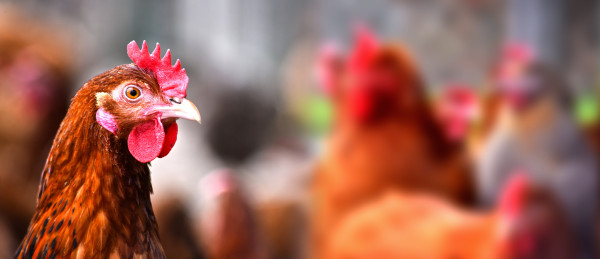
VICTORIA’s sentinel chickens are retiring after nearly half a century on the front lines of the Murray, after the development of more efficient detection of mosquito-borne viruses.
Researchers at Agriculture Victoria in partnership with the Department of Health have developed faster testing methods that can provide laboratory results within days, which have been used in Victoria since 2019 to screen mosquitoes for Ross River virus and Barmah Forest virus.
Since 1974, Victoria’s sentinel chicken program has played a crucial role in providing the community with an early warning about emerging risks to human health from some mosquito-borne viruses.
The chickens, housed in mosquito-prone areas along the Murray River and tributaries, had weekly blood samples taken to assess whether the birds had been exposed to the mosquito-borne viruses – Murray Valley encephalitis virus and West Nile virus (subtype Kunjin).
Results from this form of testing would often take weeks.
The latest cohort of 175 chickens have now retired from the program, with many of them being rehomed in the local community by flock managers.
Minister for Agriculture Mary-Anne Thomas credited the work of the sentinel chicken team, while looking forward to the new technologies.
“The success of the sentinel chicken program is a credit to Victorian scientists, field vets, animal health workers and volunteers who have cared for the flocks,” Ms Thomas said.
“We are pleased to see how research has prevailed with new testing methods allowing for a quicker and faster detection of the virus – keeping Victorians safe.”
Rapid risk assessments for mosquito-borne viruses are undertaken from mid-spring to mid-autumn each year as part of the Victorian Arbovirus Disease Control Program.
These activities determine whether the state is at increased risk of these mosquito-borne viruses and if it requires public health warnings to better protect Victorians from mosquito-borne diseases.