VICTORIAN-led research in the Mallee is helping boost the production of pulses by testing new varieties and harnessing cutting-edge technology, capitalising on a growing domestic and global market.
Agriculture Minister Mary-Anne Thomas commended Agriculture Victoria researchers who, in partnership with the Grains Research and Development Corporation, supported Mallee growers to expand their crop rotations to include fit-for-purpose pulse crops.
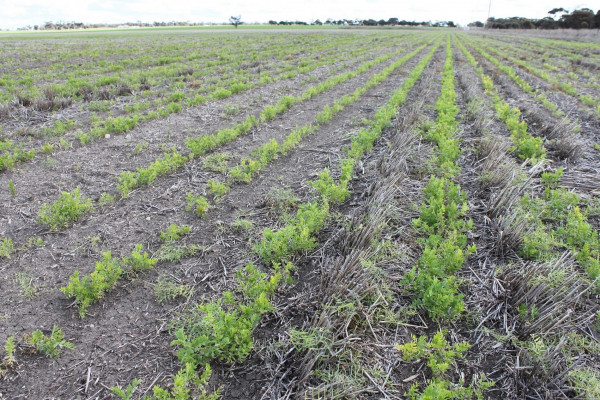
Field research sites set up in the Mallee, including one at Sea Lake, enabled researchers to test the performance of pulse types so that breeders could target traits to develop new plant varieties that would withstand dry conditions, thrive in local soil types and be more resistant to pests and disease.
These trials have already uncovered two pea varieties – PBA Noosa and PBA Taylor – which are adaptable to most pea-growing regions in Australia and commercially suitable for both export and domestic markets.
Large-scale field trials in the northern Mallee have also been established, including a Southern Pulse Agronomy field site at Kooloonong.
Scientists are investigating how pulses could be grown in marginal areas to increase farm profitability and export earnings for Victoria’s growers.
Global pulse production is projected to increase by 23 per cent by 2030.
“Victoria’s scientists are playing a crucial role in helping our farmers to adapt to changing conditions and meet the global surge in consumer demand for plant-based, alternative proteins,” Ms Thomas said.
“It’s fantastic to see innovation unlocking new opportunities for the Mallee and ensuring Victoria is well-positioned to benefit from the growth potential of this sector.”