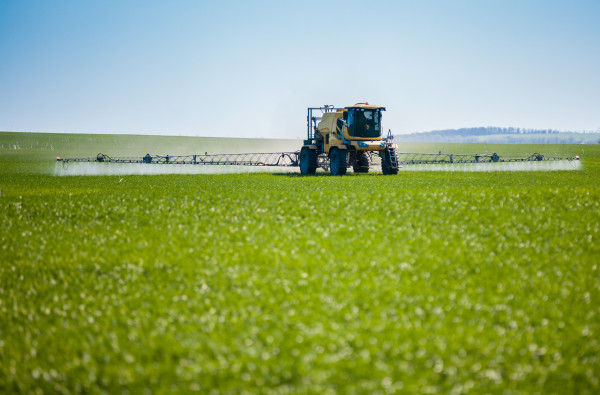
THE prices of popular herbicide glyphosate have doubled since last year, leaving farmers worried and considering alternatives.
“There has been a major spike, and there are so many factors why, there isn’t just one issue,” Swan Hill Chemicals broadacre commercial manager Geoff Morris told The Guardian.
Mr Morris said the first reason was a shortage of yellow phosphorus in China.
Yellow phosphorus accounts for about 20 per cent of the cost of glyphosate, according to AgroPages, and the shortage is expected to increase the phosphorus price, and that of its product.
A second reason for the price increase is pressure on freight, which has trebled in price.
Good seasons in the food bowl of Queensland and northern NSW and stellar harvests are another factor pushing up glyphosate demand.
COVID-19 has also interrupted the processing of product.
“Nothing flows as freely,” Mr Morris said. “(An exposure site) impacts the whole chain.”
With rising costs of glyphosate, farmers are turning towards alternatives such as paraquat, an S7 poison.
The current shortages in China echo a pattern about the time of the Beijing Olympics, when efforts to clean up pollution led to the closing of factories and manufacturing in entire provinces.
In preparation for the Beijing 2022 Winter Olympics, China is heading down the same path.
“Two provinces closed (manufacturing) recently and the price of paraquat went up 50c per litre overnight,” Mr Morris said.
Farmers are hoping that after the Olympics, and as the pandemic gets under control, trade can return to normal.