FARMERS and industry leaders have welcomed Australia’s new agriculture visa, which came into effect on Thursday.
The Australian Agriculture Visa will allow farmers to source skilled, semi-skilled and unskilled workers from other countries who sign up to the scheme, and farmers hope those workers will fill a lot of the gaps caused by long-term worker shortages.
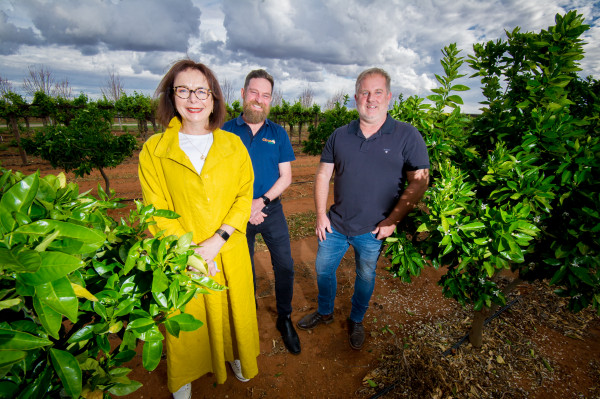
“It’s a really exciting day for industry generally – particularly the horticulture industry, which has been calling out for a visa like this for quite a long time,” Citrus Australia chief executive Nathan Hancock said.
“We’re looking forward to getting some boots on the ground.”
According to Mr Hancock, although the pandemic had undoubtedly had an impact on the industry, labour shortfalls were a long-term issue and the new visa could be a long-term solution.
“This is a multi-faceted problem,” he said.
“We’re very clear with our growers that we need to be planning for shortfalls in the workforce for some time and the ag visa will come into place in time to help us out.
“We really do need government to focus on solutions for us into the future because I believe this is going to be an issue that we will need to contend with for probably 18 months or more – maybe two years before all of these issues die down.”
For Birdwoodton grower David Stevens, the visa could be a lifeline after decades of trouble finding pickers.
“The visa is very important to us growers because we’ve been having labour troubles since the late 90s,” he said.
“A lot of Australian workers at that time got a little bit old and we started dropping off a lot of workers, the market started to change.
“Having half-a-dozen pickers for the whole year and picking your crop over six months switched to having 30 or 40 pickers and getting your varietals off in a couple of weeks.
“That didn’t lend well to having an itinerant workforce that want continuous work.
“It was very difficult to get the volumes of people you wanted because everyone wanted them in the same window.”
Mr Stevens said small and medium-sized growers faced additional struggles since big companies “vacuum up a lot of the workforce”.
Up to 55,000 Pacific workers are expected to be ready to deploy to Australian farms.
Although Mr Stevens hoped to secure some workers under the new visa, he said any extra workers would help the whole industry.
“Even if only the top 10 growers can make this work for them, it’s going to make the pool of workforce available to the rest.”
Member for Mallee Anne Webster was “very excited” to have the visa up and running, labelling it “a landmark moment” for the industry.
The first workers under the new visa could touch down by the end of the year, but Dr Webster cautioned farmers to get their applications for workers in soon, amid suggestions the process could take up to three months.
“There is a general tendency for producers to wait, and not realise that it does take some time to go through the red tape processes,” she said.
“We want this fruit picked, we want it out to exporters, and to our domestic markets, efficiently and in the right time.”
But while the government is touting the visa as “the biggest structural change to agricultural workforce in our nation’s history” – a win for farmers and a potential pathway to permanent residency for workers, with inbuilt safeguards – unions have slammed the plan, which they say could lead to “mass exploitation” of workers.
“This visa will create a second-class workforce in the agriculture, fisheries, forestry and meatworks sectors who will have none of the protections or rights that all Australian workers should be able to rely on,” Australian Council of Trade Unions president Michele O’Neil said.
“This program is simply about giving big business a way to slash wages by exploiting vulnerable migrant workers.”
HAVE YOUR SAY: www.sunraysiadaily.com.au/sendaletter