THE lives of some people living with cystic fibrosis (CF) might be about to change as advocates push for easier access to transformative medicine Trikafta®.
Up to 2200 Australians are desperately waiting to get their hands on this life-saving medicine that has the potential to change the lives of 90 per cent of people with CF.
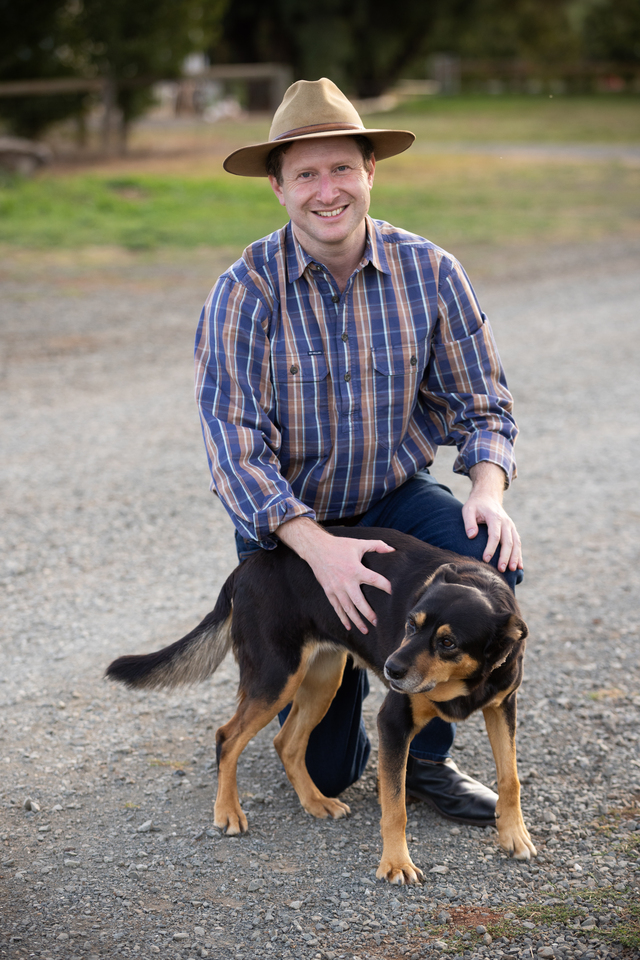
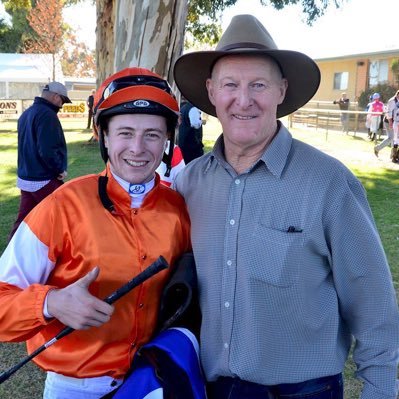
While Swan Hill local Harry Coffey, 25, is not sure he will be eligible for the medication, he knows it will be life-altering for those with the right variety of CF. There are a number of genetic varieties he explained, so different treatments are required for those variations.
“The last two years particularly have been extremely exciting with medications, seeing how far they’ve come,” Mr Coffey said.
“The last 12 months I’ve been on Symdeko® and before that I was on Orkambi®.
“They are amazing and both made things a lot easier.
“The doctors are sort of dangling the carrot that there will be even better drugs soon as long as you can maintain your health for the moment.”
The young jockey has been on a cocktail of medications, enzymes, antibiotics and vitamins since he was a baby, so these new genetic modifier medications make his life significantly easier and there will only be improvements in the drug technology.
But the young man hasn’t yet heard from his doctors about whether Trikafta® will work for him.
“They don’t promise anything, because it’s not always their decision,” Mr Coffey said.
“I don’t deal with ifs, buts or maybes, I only deal in the present.”
Genevieve Handley, an advocate for the CF community, said the majority in Australia is being left behind due to an impasse in negotiations between Vertex Pharmaceuticals and the Pharmaceutical Benefits Advisory Committee.
“Australia is 17th out of 20 OECD countries in terms of access to new medicines,” Ms Handley said.
“This was shown with Kalydeco®, the first of these life-saving CF medicines, taking seven times longer than the US, and two to three times longer than many European countries.
“The difference between these countries and Australia is a faster and more flexible reimbursement process.”
With half of those with CF currently dying by age 30, Ms Handley said Australians need immediate access to Trikafta® and need a flexible system that prioritises fast access to life-saving medicines.
Elsewhere in the region, Kerang-based Julie Davey and her 38-year-old daughter Linda are happy for those the medication will assist, but unfortunately Linda’s CF doesn’t involve the relevant genes.
“Linda inherited two very rare genes so it’s a wait-and-see game as I understand,” Mrs Davey said.
“The gene modifier only targets common genes, but the CF research over years has been increasing life expectancy.
“You used to be lucky to reach 10, but now they’ve built wards at the Alfred Hospital to help adults with CF because they’re surviving.”
Like many with CF, the family are hoping that those with rarer gene combinations will have more options in the future.
Ms Handley has an e-petition pushing for Trikafta’s® approval at https://www.aph.gov.au/e-petitions/petition/EN3224 with more than 9000 signatures at the time of writing.