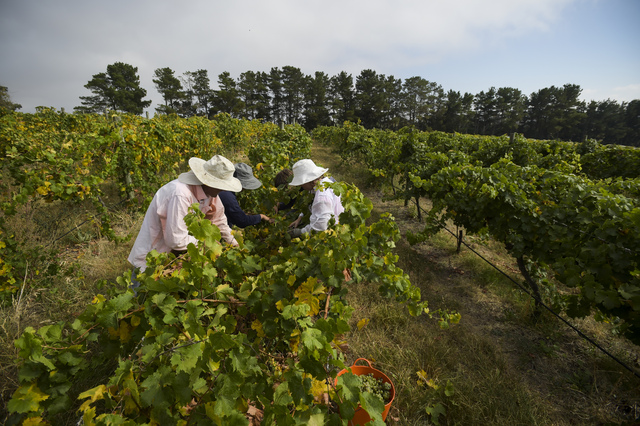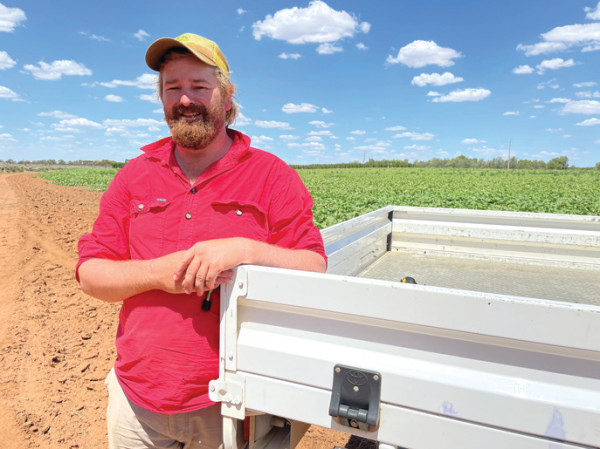
LAKE Boga farmer and VFF Horticulture president Nathan Free has welcomed a new trade agreement with the UK that will establish an agriculture visa.
The visa will also provide access to workers from 10 additional ASEAN nations in what Mr Free called “a great step forward for Australian agriculture”.
“Government needs to sit back down with industry to make it work, and ensure it attracts all the workers that are needed,” Mr Free said.
“The industry has been doing it tough for many years, so there is a huge requirement (for workers).”
But the changes will also mean UK backpackers will no longer need to complete 88 days of farm work as part of their working holiday visa requirements, which Mr Free said was a “real concern”.
“We want it to work and not be detrimental to the profession, which is why we need consultation with industry as soon as possible to see that it is fit-for-purpose, whether you’re milking cows or picking fruit and vegetables,” he said.
Mr Free’s farm employed many international workers, but mostly those who were more settled.
Meanwhile, Quambatook grain grower and GrainGrowers chairman Brett Hosking said the ag visa had been a long time coming.
“There is a lot of detail that needs to come out, including its implementation, but it’s needed for agriculture,” he said.
“We need to make sure we have good, responsible, skilled workers on the farms.”
Mr Hosking said in the grains industry, there was strong bond with European and American backpackers.
“It’s not your traditional style of workers, rather skilled labour – professional header drivers and machinery operators,” he said.
Mr Hosking said it was now about opening the market and giving opportunities for Australian farmers, to get people on farms when they needed it.
“The more choice, the better,” he said.
Asked if farm hands from South East Asia were more likely to be exploited than Europeans, Mr Hosking said in the grain industry, there was a long history of “effectively paying what needs to be paid”.
“In grains, it’s rare to find someone not paying the award wages, simply because we want to make sure that we are targeting the skilled and experienced machinery operators,” he said.
“They know the job, so Aussies will pay to get those people.”
But he said challenges remained with closed borders.
“We need to ensure we don’t have onerous quarantine,” he said.
“The costs and time spent in quarantine when they know they’re heading into remote-based jobs in isolation – some of those people could quarantine on the farms, with more people now having the opportunity to be vaccinated, not just in Australia.”