Maintain the focus
on the pandemic
I AM responding to the front page article in last Friday’s The Guardian (February 12, Invite snub).
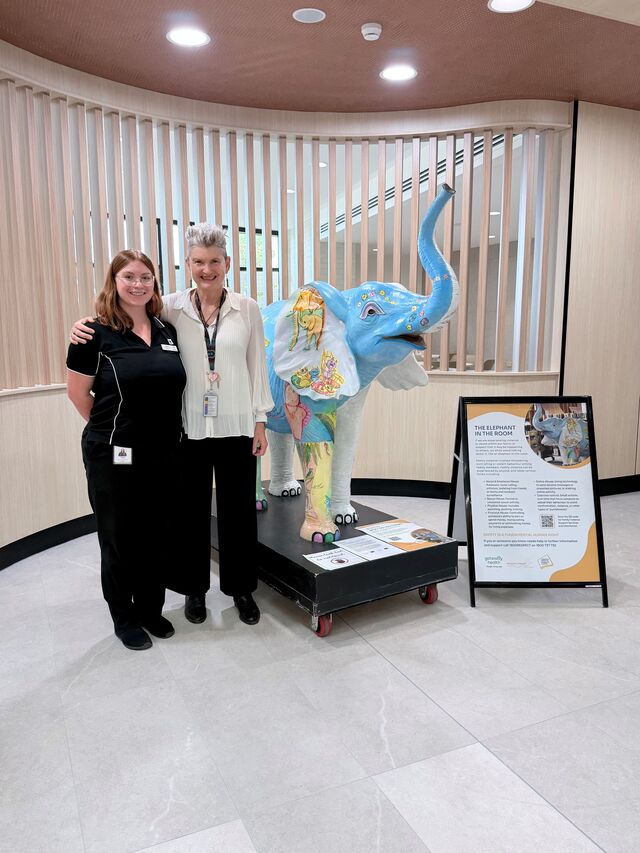
While I support Swan Hill’s new hospital campaign, I wish to make the following observations.
The Minister for Health Martin Foley is new to his role and he has a huge responsibility to manage the state’s response to the COVID-19 pandemic, the upcoming vaccination program and his other significant duties in heading up the biggest state government department.
While our local member, Peter Walsh, has plenty of time on his hands to indulge in political point scoring, in the interests of the health and safety of all Victorians, I would prefer to see the Minister for Health maintain his strong focus on managing the pandemic.
In regard to the hospital emergency department, the Victorian Government has already committed to funding an upgrade.
When the new Swan Hill hospital is built post COVID-19, it will be different from what would have been provided four years ago when the campaign began, and its design will benefit from the knowledge gained in combatting a highly infectious airborne disease.
Lindsay McRae,
Swan Hill
We say thanks for
their service
AUSTRALIA’S national servicemen, affectionately known as Nashos, played a unique and invaluable role in serving our country and each year on February 14 we honour them on National Servicemen’s Day.
Throughout history, Australia has had four periods of compulsory national service, most recently between 1951–1959 and 1964–1972, with more than 280,000 national servicemen serving since the Second World War.
Under the National Service Act 1951, all men turning 18 on or after 1 November 1950 were required to undertake 176 days standard recruit training in the Navy, Army or Air Force, followed by five years in their respective Reserves. Intake was cut back in 1957 and a birthday ballot was introduced to decide who would be selected.
National service was re-introduced in 1964 as concerns grew about the security of Australia due to conflicts in nearby regions and more than 60,000 ‘Nashos’ would serve between then and 1972.
Men who turned 20 years of age were required to register and were chosen for service through a birthday ballot held twice a year. Of those called to serve, more than 15,000 served in the Vietnam War, where some 200 lost their lives and more than 1200 were wounded. Two national servicemen also died while serving in Borneo in 1966.
As a nation, we should always remember the service and sacrifice of our Nashos. The Australian War Memorial will honour our Nashos through the Last Post Ceremony at the Australian War Memorial with a representative from the National Servicemen’s Association of Australia laying a wreath.
I encourage all those in the community to learn more about the National Service Scheme of 1964 by visiting the Department of Veterans’ Affairs Anzac Portal — anzacportal.dva.gov.au.
On National Servicemen’s Day, we say thank you for your service to all our Nashos and remember their service and sacrifice.
Lest we forget.
Darren Chester,
Minister for Veterans’ Affairs
Minister for Defence Personnel