AS countless pictures and stories continue to emerge from the horrific bushfire season, generous donations continue to roll in.
But, emergency services and those on the frontline are encouraging people to plan before they donate to “make their generosity count”.
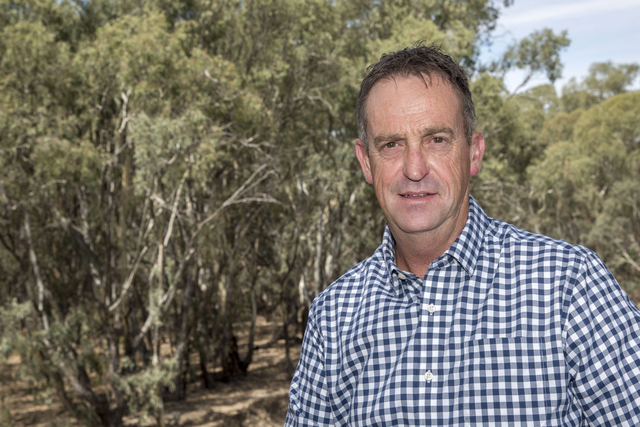
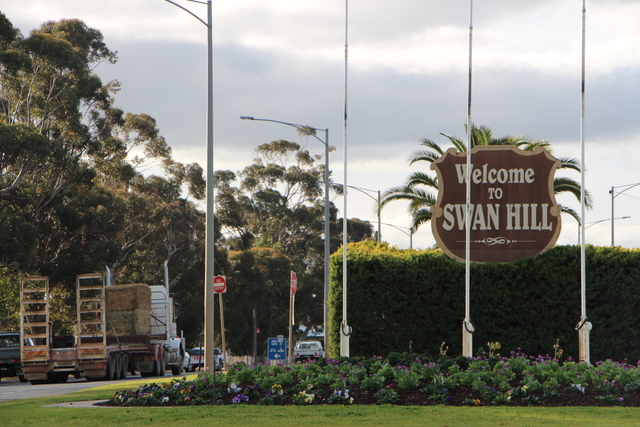
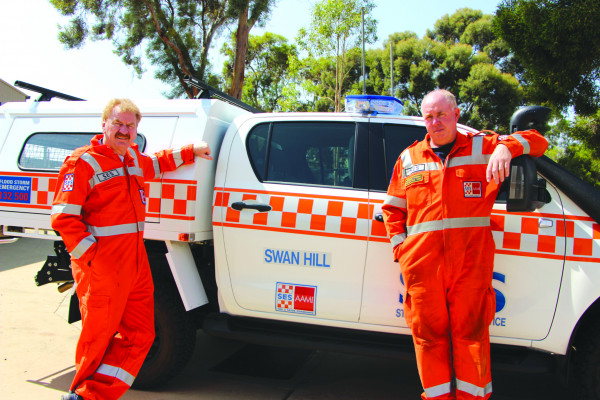
Swan Hill State Emergency Service (SES) volunteers Shane Savage and Rod Knight recently returned from a six-day deployment in Corryong, NSW.
“It’s unbelievable the amount of stuff that has been donated but it needs to be co-ordinated,” Mr Savage told The Guardian.
“At the moment, the emergency stage is pretty well looked after, but you’ve got people that are just taking stuff up there and dumping it.”
Mr Savage said while the generosity of so many is “fantastic”, people need to wait until the recovery phase of the operation or call and check whether the goods are needed first.
“There’s piles and boxes of food up there, pallets of water and I don’t think they need anymore clothes,” he said.
“It’s a matter of making sure people don’t just turn up because as soon as they do, it creates a lot of problems with where is it going, how are they getting up there and who is it going to.”
Mr Knight said monetary and hay donations were the two things that are needed the most.
“We saw about 40 to 50 sheep walking along in a burnt out paddock where the farmers had moved them to be safe, but there is no feed,” he said.
“Hay is something they’re really looking for up there.”
Mr Savage added that a monetary donation can go a long way.
“If you’re given a card with $500, you can go and get things like your medication, whereas a bag of clothes doesn’t get you medication,” he said.
“That’s where the co-ordination comes in.”
The local volunteers returned to Swan Hill on Tuesday afternoon this week and described the feeling on the frontline as tiresome.
“People were really over it,” Mr Savage said.
“They’d been stuck in a relief centre for days and there was a convoy of civilians that were allowed back up for the first time which was confronting as some of them didn’t know what they were going back to.”
The two men said their roles had mainly involved ground support, transportation, providing escorts and picking up supplies.
“The first full day the SES were tasked with evacuating the Corryong hospital of mainly old people,” Mr Savage said.
“We had a convoy of about seven SES vehicles and two busses and had to load the people into our vehicles and take them down to Yarrawonga.
“That was probably one of the most satisfying types of jobs.”
Mr Savage likened this season’s bushfires to those that unfolded on Black Saturday which he also volunteered at.
“It’s a similar sort of thing, it’s been a very fast running fire,” he said.
“But, we didn’t see too much as we could only see about 200 metres.
“At this stage, it’s still an active fire ground. The fires up that way have now merged and they’re talking another three to four weeks up there.”