HUMAN-induced climate change is the most likely driver behind Australia’s earlier and longer fire seasons, according to new research.
Country Fire Authority (CFA) manager research and development Sarah Harris and Bureau of Meteorology (BoM) scientist Chris Lucas co-wrote Understanding the variability of Australian fire weather between 1973 and 2017, recently published by science journal PLOS ONE.
Examining seasonal fire weather history for 44 years at 39 weather stations across Australia, it explores whether early starts to the bushfire season in different regions of eastern Australia in the recent past — including this season’s significant fires in southeast Queensland and New South Wales — are an indicator of a changing climate.
In an article published by The Conversation, Mr Lucas and Dr Harris wrote “climate change is definitely playing a role in producing the earlier start to bushfire seasons and overall more extreme seasons, particularly in south-eastern Australia”.
The researchers pointed out that the natural variations in climate modes continue to play a key role.
“That means we should not expect every bushfire season to be worse than the last as a result of climate change. Similarly, a few milder bushfire seasons among a string of
record high seasons does not mean that climate change should be dismissed,” they wrote.
CFA chief executive officer and chief officer Steve Warrington welcomed the research.
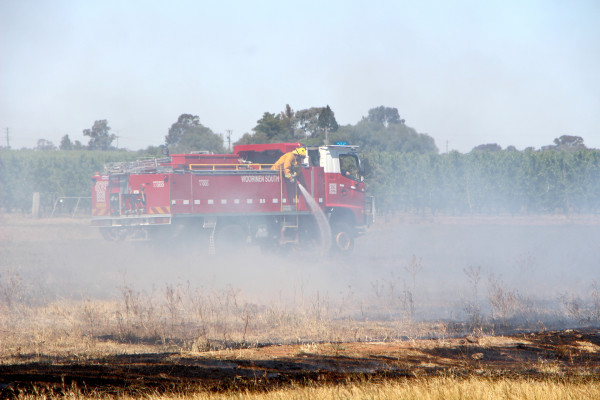
“As firefighters, we see the effects of these longer and more severe fire seasons and CFA is proud to play its part on this topic, both through its robust research program, but also through initiatives aimed at reducing greenhouse emissions, such as increasing our use of rooftop solar and the number of hybrid vehicles in the fleet,” he said.
Meanwhile, Australia has an increased risk of heatwaves and bushfires in the coming months, according to the Bureau of Meteorology’s severe weather season outlook.
Parts of the country have already seen bushfires, and the bureau’s head of long-range forecasts, Dr Andrew Watkins, said the current state of Australia’s climate drivers meant the likelihood of seeing more bushfire activity than normal was increased.
“The bureau outlook shows we’re likely to see more warmer and drier than average conditions for the coming months. This is due largely to a record strong positive Indian Ocean Dipole, that leads to drier air than usual over northwest Australia that supplies much of Australia’s rainfall,” Dr Watkins said.
“The increased odds of warmer than average days, coupled with a very dry landscape and a likely late start to the northern wet season, give a clear indication that we’re likely to see more heatwaves than normal.
“It also adds to the potential bushfire risk, particularly when you consider how dry many parts of southern and eastern Australia are at the moment.”