THE recent celebrations honouring the centenary of education in Nyah West brought two traditionally feuding towns together, a local history buff says.
Nyah and Nyah West communities have historically been at loggerheads according to Roger Hancock, administrator of the ‘Nyah West & Districts History & Heritage’ Facebook page.
The towns’ rivalry dated back to the origins of the local railroad track, Mr Hancock said.
“There was a big feud about where the rail line was going to go, it diverted back to where Nyah West is now, whereas the others wanted it in Nyah,” he said.
“[Nyah] had the river trade at the time so they were using the paddle steamers, and they wanted it to be closer so they could use it, but to compromise it was put in Nyah West so the dryland wheat farmers didn’t have as far to get there and the river traders stayed there.
“But I think they dug their heals in and they continued to use the river trade, they didn’t use the rail even when it came because they refused to go over there.
“A lot of the older people would tell you about that ongoing feud that went on.”
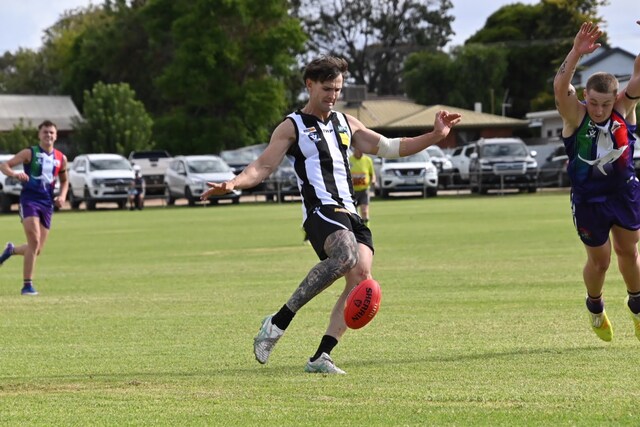
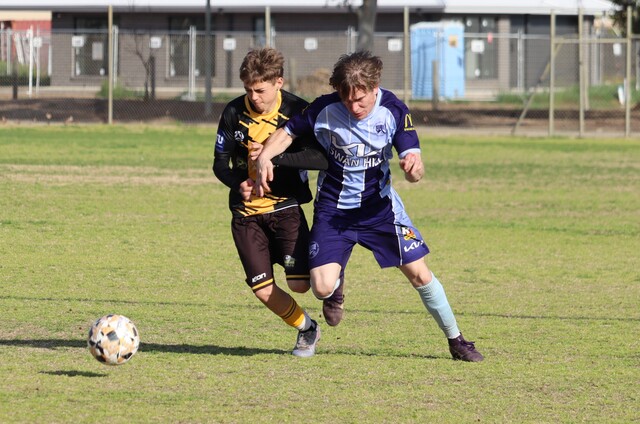
This division carried on for years, according to Mr Hancock, and manifested in modern times with the rivalry between the two towns’ football sides.
When they were forced into amalgamating — as many small towns’ sporting and community clubs have had to do — naming rights came to the fore as a touchy issue, resulting for instance in tongue-twisting names such as “Nyah Nyah West United”.
“The school name, that was another issue. Why on earth was it only called Nyah District when the school’s at Nyah West?” Mr Hancock mused.
However, the recent centenary celebrations brought the communities of both towns together in a way no other event had before.
Mr Hancock said social media helped connect people leading up to and during the event.
“This recent event has really pulled everyone together, Nyah and Nyah West, everyone loved it,” he said.
“It was a great success, so I think it’s really smoothed over that roughness that’s been there for years and years.
“We had 400, nearly 500 people there, which would never have happened without the Facebook pages, especially the history and heritage page.
“Because it was running side by side, everything that was happening at the school was coming onto my page. It was really a good interaction.”