TODAY is the last day of National Reconciliation Week, a time for Australians — both Indigenous and non-Indigenous — to learn about their shared histories, cultures and achievements.
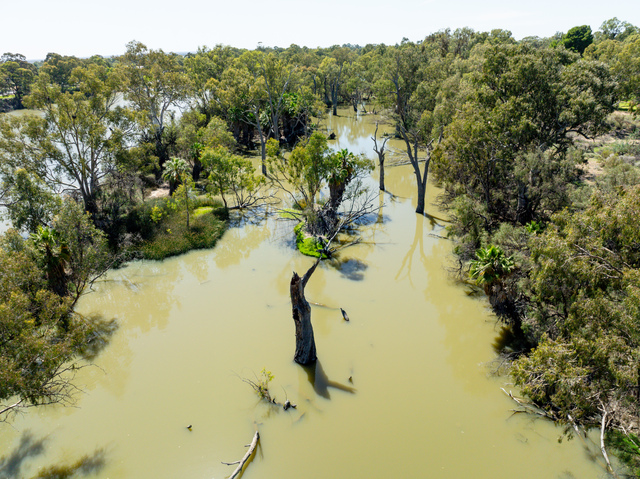
Nowhere is our shared history more relevant than in the Mallee landscapes surrounding Swan Hill and the Murray River.
Both the region’s traditional owners and the pastoralists which followed them have tried to tame the Mallee’s harsh environment, referred to by journalists and politicians at the turn of the twentieth century as the ‘howling wilderness’.
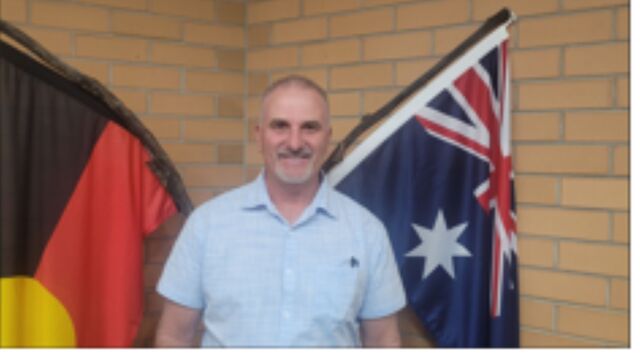
One person whose aim is to investigate their shared history is La Trobe University emeritus professor of history Doctor Richard Broome, who is looking to publish a research paper on the historical uses of Mallee land.
“The strategies that the Aboriginals used made the country sustainable for them, and it was probably the most successful human use of the Mallee in all time,” Dr Broome said.
“Because we all know that Mallee farmers farm some of the most marginal lands, in terms of climate, and they go from boom to bust and there were some disastrous land schemes that failed in the 1920s and 30s.
“It’s been a very difficult place to farm and I think Mallee farmers will tell you that they’ve become some of the smartest farmers in Australia, by necessity.
“And yet Aboriginal people have probably sustained themselves along the Murray for 30 millennia at least.”
Widely regarded as a national authority on Aboriginal history, Mr Broome turned his attention to the mallee scrub of the nineteenth century due to his budding interest in environmental history.
Along with colleagues at La Trobe University and the University of Western Australia, Mr Broome became a chief investigator of a new Australian Research Council discovery project looking at the changing landscapes and people of the Mallee from 1830 onward.
Through his visits to Swan Hill and Mildura, and using written firsthand accounts of Tyntynder settlers James Kirby and Peter Beveridge and the observations of naturalists who visited the area, Dr Broome has pieced together how the Mallee’s traditional owners adapted to the unforgiving landscape.
For more on this story, grab a copy of Wednesday’s Guardian. You can contribute to Dr Broome’s discovery project by visiting the Mallee lands website and sharing your memories or images of the Mallee.