FASHION is a fickle thing.
New trends come and go every few months and every media outlet, from TV to Facebook, pressures people to buy the latest look — or face expulsion from society.
This leads to a high turnover of clothing, which in turn creates vast amounts of waste as people get rid of perfectly wearable clothes to make room in their wardrobes for newer, more fashionable items.
It is estimated that 80 to 100 million kilograms of textile waste is collected by Australian charitable recyclers through bins and donations every year.
While 60 percent of this material is recirculated through charity shops and 15 percent can be reprocessed into functional textiles, up to 25 percent of this waste is sent to landfill.
To try and reduce my fashion environmental footprint, and to save some money, I decided that 2015 would be the year that I would not buy any new clothes and only shop in op shops.
So far, shopping in op shops has been fun and very rewarding.
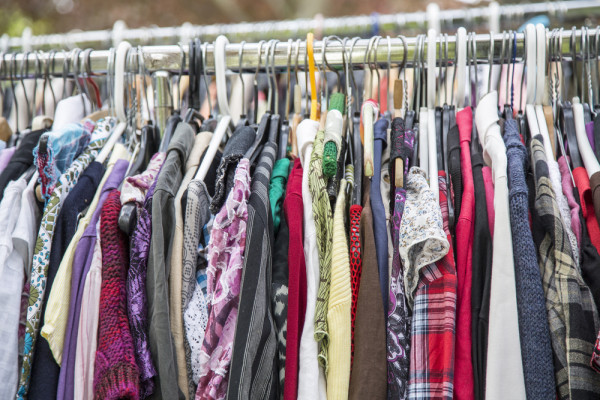
The so called ‘fashion staples’ of a blazer, black pants, and a white shirt are easy to find and you can usually find some expensive brands among the cheaper items.
I am regularly amazed that people have chosen to donate such good quality items when there are still years of wear in them.
Everything else that I have found whilst hunting through the clothing racks is a bonus. So far my purchases have included a pleated midi-skirt I bought for $5, just before the midi fashion kicked in, and the green Zara top I’d had my eye on but hadn’t been able to justify the $60 price tag for $3. All of them have been as good as new.
Stopping clothes from going to landfill isn’t the only way that buying from op shops is reducing waste.
Often clothes shipped from overseas are individually wrapped in plastic bags, boxed up and these boxes are then wrapped in more plastic. The clothes are unwrapped before being displayed in the shop with the majority of the packaging going straight to landfill.
There is also an ethical dilemma around purchasing new clothes.
The majority of clothes sold in Australia are produced in third world countries where pay, working conditions and environmental impacts of production are often secondary to the pursuit of profit.
Some clothing companies are beginning to trace their supply line to ensure that there is no exploitation, however these companies are an exception rather than the rule and so the environmental and social impact of clothing production is largely unknown.
With more than 3000 op shops across the country it isn’t difficult to pop into one before going to a normal clothes retailer to see whether they have the item of clothing you are looking for.
It will be a fraction of the price of buying the item new and saves waste from going to landfill.