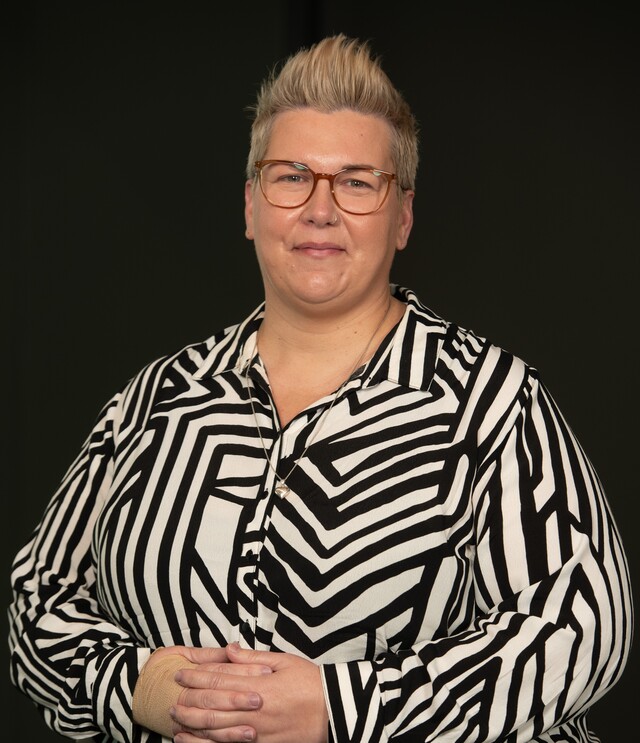
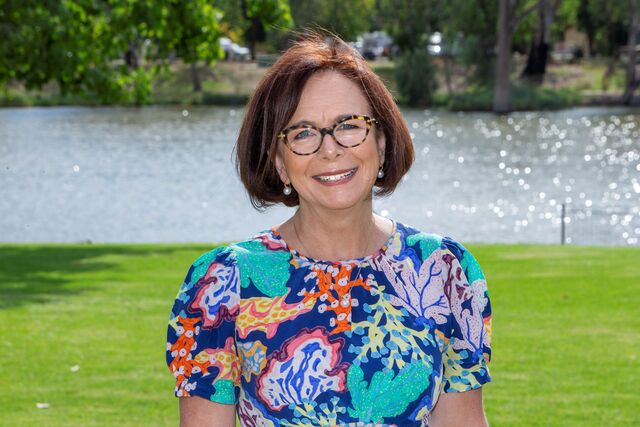
SARAH Sutton started experiencing the symptoms of bowel cancer when she was pregnant at 28.
At the time, Ms Sutton thought the symptoms were normal effects from her pregnancy.
But when she experienced increased bowel frequency and more rapid than normal weight loss after giving birth to son Angus, she decided to visit a doctor.
“The only reason I’m going to see Angus off to primary school is because I sucked it up and went and saw a doctor and said ‘there’s something wrong’,” she said.
Ms Sutton, who lives at Nyah with partner Gavin and children Sophie, 7, and Angus, 2, said she had undergone three rounds of surgery, chemotherapy and radiotherapy as she battled the disease.
“I’m currently in a surveillance period, I’m not receiving any active treatment,” she said.
Ms Sutton, now 31, said regular check-up visits continued to give her hope.
“The worst is behind me and I’m very optimistic about the future,” she said.
“I’ve got every reason to hope for a long and healthy and normal life.”
Ms Sutton and sister Erin Molan, a sports reporter with Channel 9 in Sydney, are involved in a Bowel Cancer Australia campaign to raise awareness for the disease.
“There’s an annual campaign done every June, which is Bowel Cancer Awareness month,” she said.
“It’s the second biggest killer after lung cancer, and the campaign is to get people thinking about screening.”
Ms Sutton said bowel cancer screening for those over 50 was most vital.
“People over 50 need to be screened so it can be addressed at stage one or stage two,” she said.
“But anyone under 50 needs to be aware of their bowel habits and don’t be afraid to see a doctor.”
About 14,000 Australians are diagnosed with bowel cancer each year, and while the majority are aged over 50, about 1000 people under the age of 50 years are also affected.
Prevention and early detection of the disease involves a simple and painless screening test known as an FOB test.