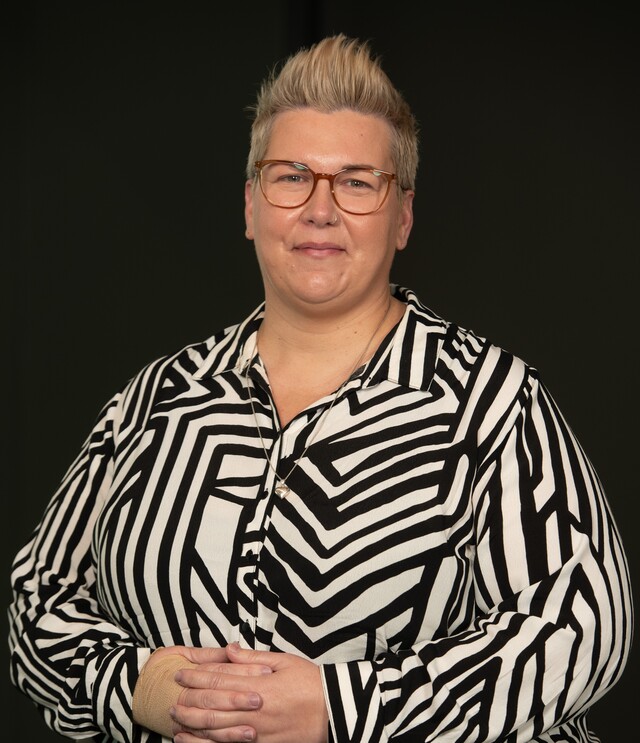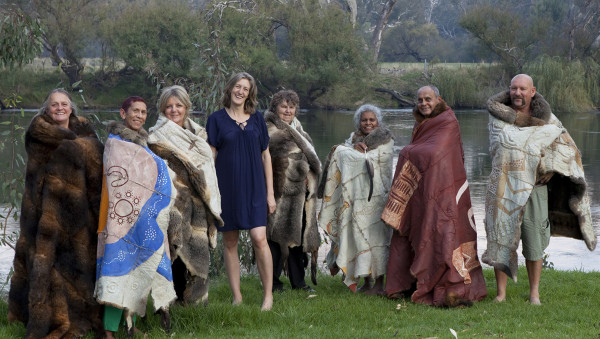
DRAPED in a cloak made of possum skins, an image of local Indigenous artist
Esther Kirby hangs in the Albury Library Museum.
The photo, part an of an
exhibition opened last week by Sydney photographer Sarah Rhodes, is
documentation of Ms Kirby’s part in the comeback of the possum-skin cloak.
A
40,000 year old Aboriginal tradition that died away after white settlement, the
revival of making possum cloaks has stemmed largely from the 2006 Commonwealth
Games in Melbourne.
In the lead-up to the games, Ms
Kirby and her sister Pheobe Nicholson were two of 35 Aboriginal Victorians asked
to make a possum skin cloak representing their tribal ancestry.
Both women
are long term Kerang residents who grew up on a mission in Balranald, with
educational ties to Swan Hill.
Their family has tribal connections to
Indigenous groups across the region including the Wemba Wemba, Yorta Yorta, Wadi
Wadi, Barapa Barapa, and Waradjuri people.
Ms Kirby made the cloak for
Barapa Barapa after receiving permission from the community’s elders.
A
Barapa Barapa elder herself, she worked with her community to decide what
stories would be told on the cloak about their country, and was responsible for
expressing those stories through her designs.
Ms Kirby said the cloak’s
design was inspired mostly by the Kerang Lakes, and also a bit of “back home”.
“You have to ask people what’s the best way to go,” she said.
“There’s
the man’s side of it, with shields and spears, and one panel of things women
used to do.
“Then there’s all the totems — platypus, long neck turtle — and
the food — the Murray cod, kangaroo, and crayfish. The stars of the southern
cross draw the pictures together.”
For more on this story, see Friday’s edition of The Guardian (12/04/13).