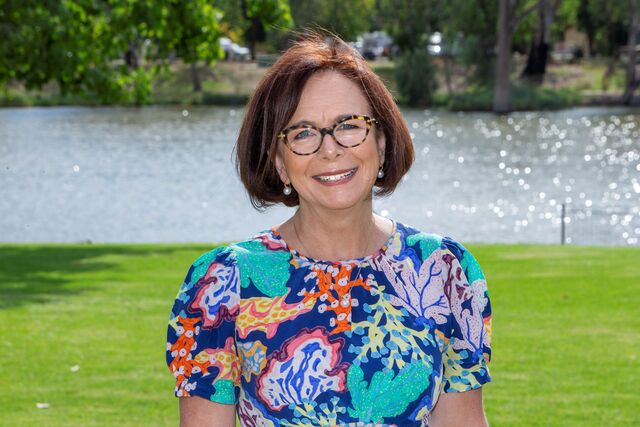
EVONNE Goolagong-Cawley is living her second dream — teaching Indigenous children about the value of education and the discipline of a life in tennis.
And as she prepares to embark on a tour of country Victoria that will take in Swan Hill next Wednesday, Goolagong-Cawley is spreading the word.
Goolagong-Cawley is the Tennis Ambassador for Learn Earn Legend, an Australian Government initiative encouraging young Indigenous Australians to give tennis a go.
And with the discipline that tennis brings, Goolagong-Cawley hopes to see the education, health and employment opportunities of young Indigenous people improve.
“We’re using tennis as a vehicle to create better outcomes in health and education,” she told The Guardian on Wednesday.
Goolagong-Cawley said her and husband Roger had been running the Goolagong National Development camps during the first week of the Australian Open in recent years.
“During those camps we’ve found kids as young as five and a half and given them a racquet and it’s continued on,” she said.
“We’ve given scholarships to schools; we’ve got seven fully qualified Indigenous coaches; sports administrators; basically it’s about getting into finding jobs and about education.”
Now Goolagong-Cawley is hosting Come and Try Days thanks to the Evonne Goolagong Foundation and with the help of Tennis Australia and Earn Learn Legend.
Goolagong-Cawley said so far the programs had been held in the Top End with next week’s clinics the first in Victoria.
And she said for many of the youth it had been their first exposure to the sport.
“[Husband] Roger and I had to implement the Earn Learn Legend program for boys and girls aged 5-15 to come in and have a try at tennis. And it’s the first time for most of them,” Goolagong-Cawley said.
“We try to make it as much fun as possible and if they have a lot of fun hopefully they’ll keep playing. From there we pick a player [to receive further coaching] — and that’s more about the child that shows a lot of keenness and tries really hard.”
From there selection for state and national camps is a possibility for some, but Goolagong-Cawley said the emphasis remained on education all the way down the line.
“The idea is that they still stay in school, most importantly,” she said.
For more on this story see Friday’s edition of The Guardian (March 15, 2013).