ACCESS to health care in the Mallee is at crisis point, Federal Parliament has been told.
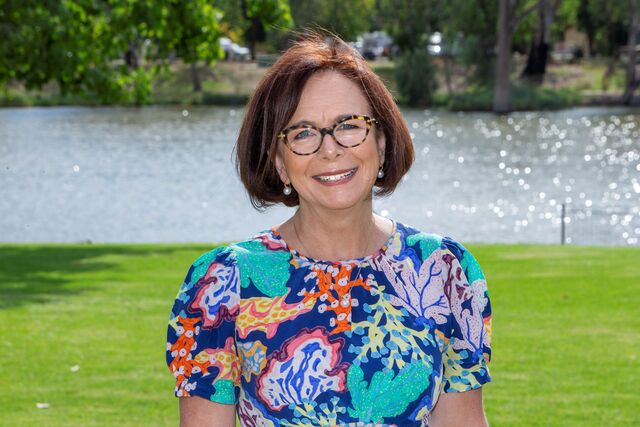
Member for Mallee Anne Webster this week said Mildura was an example of a town with a struggling health workforce, and unless country workforces have a sustainable supply of essential services, such as health, those communities will be unsustainable in the long run.
Dr Webster told Federal Parliament that moves to reduce outstanding HECS-HELP debts for eligible doctors and nurse practitioners while they work work in rural and remote areas would encourage their relocation and retention.
“Any reduction in that would certainly be an incentive and enticement for a graduate to move to the country — at least that’s my hope in my electorate of Mallee,” Dr Webster said.
“Any incentives that boost our regional and rural health workforce are certainly worth pursuing.
“In Mallee, as in many regional centres across Australia, access to health care is at crisis point — and I don’t say that lightly.”
Dr Webster said the the Higher Education Support Amendment (2022 Measures No.1) Bill 2022 would expand the policy beyond the health workforce to other sectors in the future, which would mitigate “dire workforce issues” that regions faced.
“We need to ensure that everything possible is done to bolster skilled, unskilled and semi-skilled workforces in rural Australia,” she said.
“This is for every industry — be it agriculture, education or manufacturing. Access to health services is a key issue for people who are considering a ‘tree change’.
“Whether young teachers or older retirees moving to the region, knowing that there is quality health care matters.
“For parents of a young family who are teachers considering taking jobs at a local school, they’re less likely to do so if there are no GPs available to support their family.
“If we don’t ensure country workforces have a sustainable supply of essential services, such as health, these communities will be unsustainable in the long run.”
Dr Webster said most GPs in Mildura had closed their books to new patients.
“This dilemma has had terrible outcomes,” she said.
“People leave this pristine area because they cannot find a doctor. This is true not just for Mallee but for towns across Australia.
“It means hospital emergency departments are overflowing, struggling to manage the number of people who are unable to see their GP.
“Even worse, people simply stop trying to deal with their health issues and, sadly, that increases the morbidity statistics in the regions.
“How long can this situation go on?”
Dr Webster said the health crisis in the regions highlighted the disparity between city and country.
“Nearly nine million people live in rural areas across Australia, yet these people often experience poorer health outcomes than their city counterparts,” she said.
“This is something that needs to change. It must change.
“We can change it by ensuring health workforces can meet their communities’ needs.
“Providing incentives to bolster the uptake of not only general practitioners and nurse practitioners in the regions but other essential medical professionals, such as psychologists, psychiatrists or physiotherapists, assists in ensuring that no matter where you live, you have access to adequate medical care.”