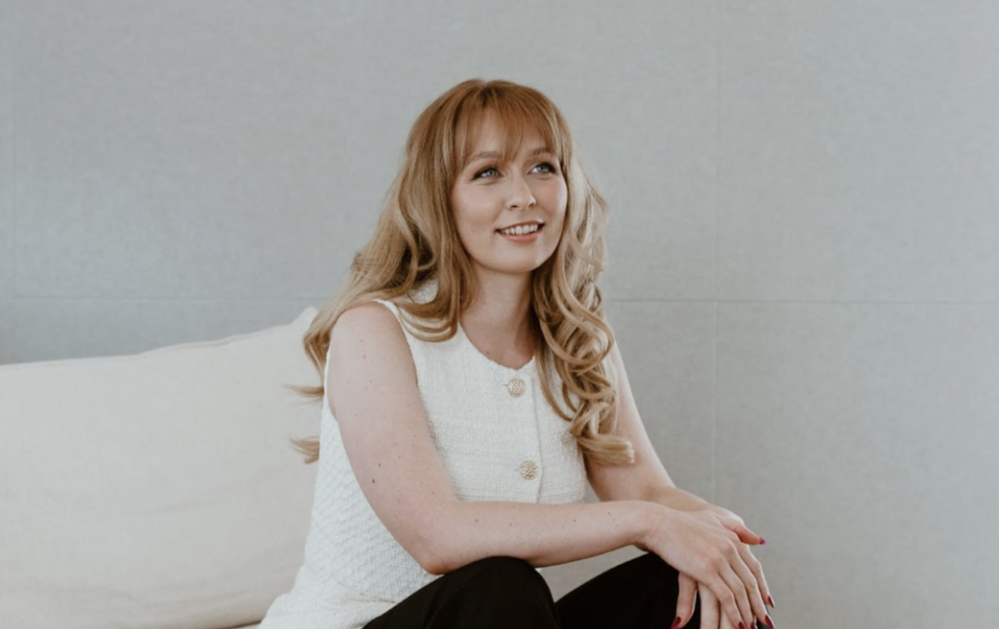
A WOMAN who grew up near Swan Hill is to chair Victoria’s Australia-first inquiry into injustices committed against Aboriginal and Torres Strait Islander people.
Professor Eleanor Bourke, a Wergaia and Wamba Wamba elder, will this week be working with other commissioners to finalise the terms of reference for the Yoo-rrook commission before the inquiry gets under way.
The commission – Australia’s first truth-telling body – which is due to hand down its first report in June next year, aims to create a space where people who have been victims of human rights violations feel safe to share their stories. Prof Bourke said she hoped the commission would spark long-term change in Victoria and be a model for the nation.
“We want people who may not have spoken before about (human rights violations) to have the opportunity to do this, because I think it will enrich people’s understandings,” she said.
“It’s about … recording the experiences flowing from what has happened since colonisation … and to be able to develop it in a way to share with all Victorians, so people understand there’s ongoing trauma for many Aboriginal people because of dispossession and displacement, and that has impacted on the current day.”
Prof Bourke said her family’s connection to culture and country led her to dedicate her life to fighting for Aboriginal rights.
“There were many strong women in my family, despite all the challenges life’s thrown at them – my aunts, my grandmother, were very, very strong,” she said.
Prof Bourke said while at school in north-west Victoria she often felt she “didn’t quite belong”.
She lived in Irymple and Nichols Point as a child, and often travelled to Murraydale, where her grandmother lived, so her grandmother could care for her when her parents were unwell.
“She was a big inspiration,” Prof Bourke said. “She was very proud of who she was. And she told us who she was and who we were.”
The catalyst for her to become involved in struggles for Aboriginal rights was moving to Melbourne as a young woman.
“That’s when I became aware of the Aborigines Advancement League and the need to contribute in some way,” she said.
For more than 40 years, she has dedicated her life to advancing Aboriginal education and community issues.
She has held executive positions in community, state and federal government agencies, and was co-chair of Reconciliation Victoria and co-chair of the Victorian Aboriginal Treaty Working Group.
She said she expected people would bring “many stories … positive and negative” to the commission, and she hoped it would “strengthen the resilience of our people with the rest of the Victorian population, because we have survived.”