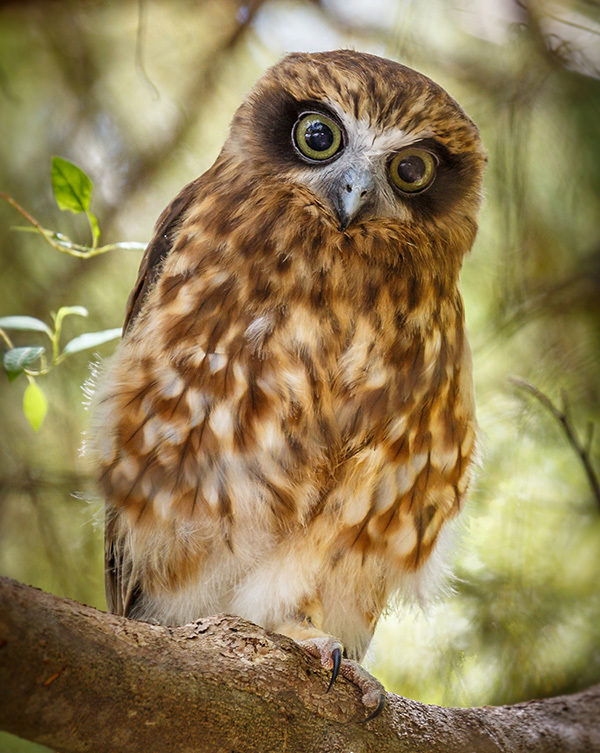
EVERYDAY Australians have been helping scientists map native Australian owl species through the citizen science Hoot Detective project.
Thousands have been listening to short owl call recordings made in nature reserves to help identify our native species.
“People are mad about owls,” said ornithologist Tanya Loos.
“Along with parrots and fairy wrens, everyone loves them, so it’s a lovely project to get involved with!
“But it’s also a really valuable mental break from the news cycle.”
So far, people have sat down for more than 4150 sessions of listening to wildlife at night and identified more than 13,700 owl calls.
One enthusiastic volunteer has clocked up more than 16 hours of hoot detecting.
People can listen to 10-second snippets from these audio recordings, compare them with sample animal sounds, and identify what they hear.
It’s a pandemic-proof way to get involved in National Science Week and take part in real scientific research.
Hoot Detective is produced by ABC Science in collaboration with the Australian Acoustic Observatory (A2O) for National Science Week.
Professor Paul Roe who leads the Observatory said this citizen science will help train artificial intelligence systems to automatically recognise the different owl calls.
“The volunteers who lend their ears are making an incredibly valuable contribution to the new field of eco-acoustics,” said Professor Roe.
“This field brings ecologists and computer scientists together to use sound to understand and map the natural environment.”
Hoot Detective runs until February 2022.
Get listening now at www.hootdetective.net.au