End this family violence
FIVE years ago this week, we were handed a transformational opportunity to save lives and change the future of Indigenous women and children living in the distressing shadow of family violence in their own home.
But not enough has been done to prevent the scourge that remains endemic throughout our communities in the years since the Royal Commission into Family Violence final report was handed down.
Rates of family violence against Indigenous women still continue to increase every year.
More than two-thirds of Indigenous women who were victims of violence report a family member or intimate partner as the perpetrator.
Sadly, we know this is just the tip of the iceberg as many cases still go unreported to police.
Progress to implement the royal commission’s findings relating to Indigenous Victorians has been slow, with five of the nine recommendations still not in place five years on.
Advocates, including Victorian Aboriginal Legal Service chief executive Nerita Waight, have condemned the delay on these “easily achievable targets… if the Victorian government had the will to implement these recommendations, it can do so”.
Victoria’s also made little to no progress towards meeting national targets under the Closing the Gap agreement to bring down family violence rates for Aboriginal Victorians.
Every Victorian deserves to feel safe in their own home.
It is time for the talk and endless delays to stop.
The violence must end and lives must be saved.
Peter Walsh, Leader of The Nationals, Shadow Minister for Aboriginal Affairs
Emma Kealy, Shadow Minister for the Prevention of Family Violence
Remember their loss
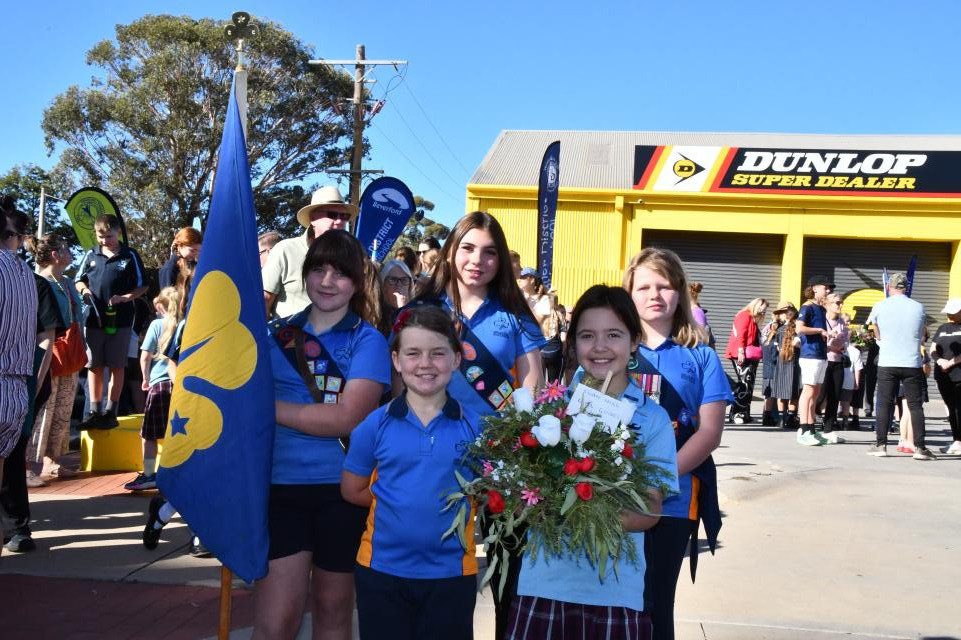
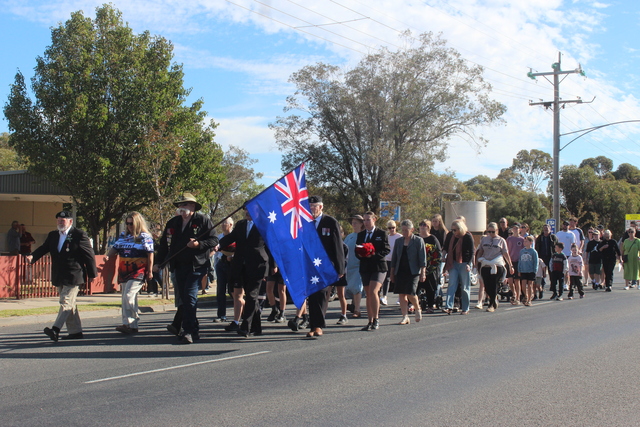
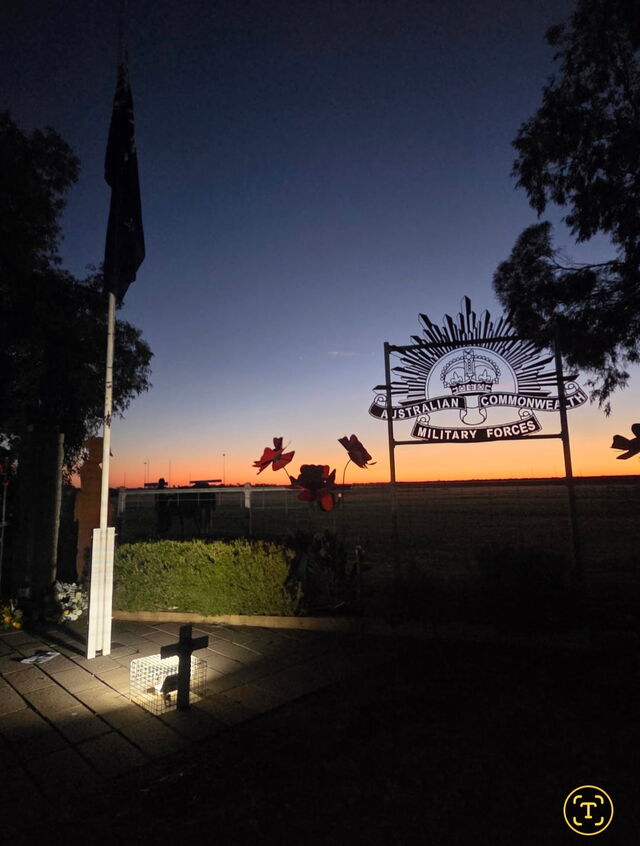
ON April 6 we commemorate the 80th anniversary of the Allied campaigns in Greece and Crete, when German forces attacked both within a short time in 1941.
The Greek campaign, in which Australian, British and New Zealand troops supported Greek forces against a German invasion, was one of the toughest of the Second World War.
The Allies were unprepared for the German attack and the British Commonwealth force found itself outnumbered and unable to deploy sufficient troops to halt the German advance.
Instead, they conducted a series of withdrawals which slowed the Germans, offering brave and sometimes successful delaying actions.
The fall of Crete followed a similar story.
The Germans wanted Crete as a base for operations against North Africa, and while Britain had already established a garrison on the island, after the fall of Greece it was clear that Crete’s garrison would need to be strengthened.
Reinforcements arrived, but only in the shape of some 26,000 troops weary from the withdrawal from Greece.
In May 1941, an operation codenamed Merkur (Mercury) saw some 9500 German paratroopers land on Crete.
While initially suffering heavy losses, the Germans managed to secure one of the airfields allowing further German troops to be flown in, which eventually led to them gaining control and forcing the Allies to evacuate.
Sadly, in Crete, the British Commonwealth losses numbered more than 1700 killed, over 2220 wounded, and around 11,370 taken as prisoners of war.
In Greece, around 320 Australians were killed and some further 2065 became prisoners of war.
Today, we remember the service and sacrifice of the Anzac Corps and the Greek servicemen and civilians who assisted our troops in the defence of Greece and Crete.
Lest we forget.
Darren Chester, Minister for Veterans’ Affairs, Minister for Defence Personnel