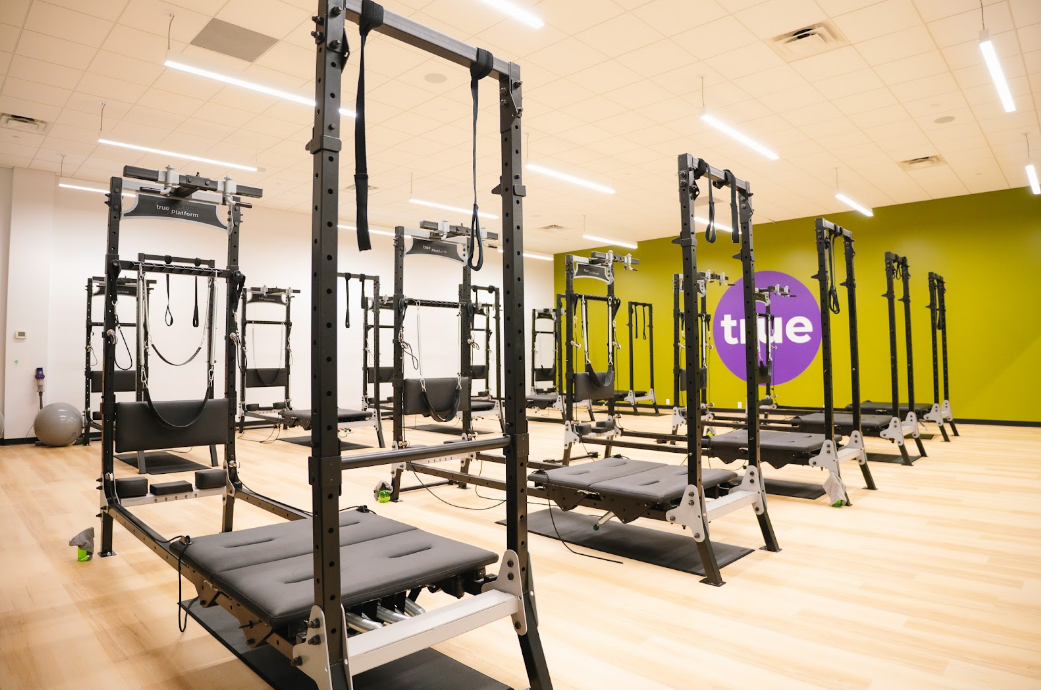
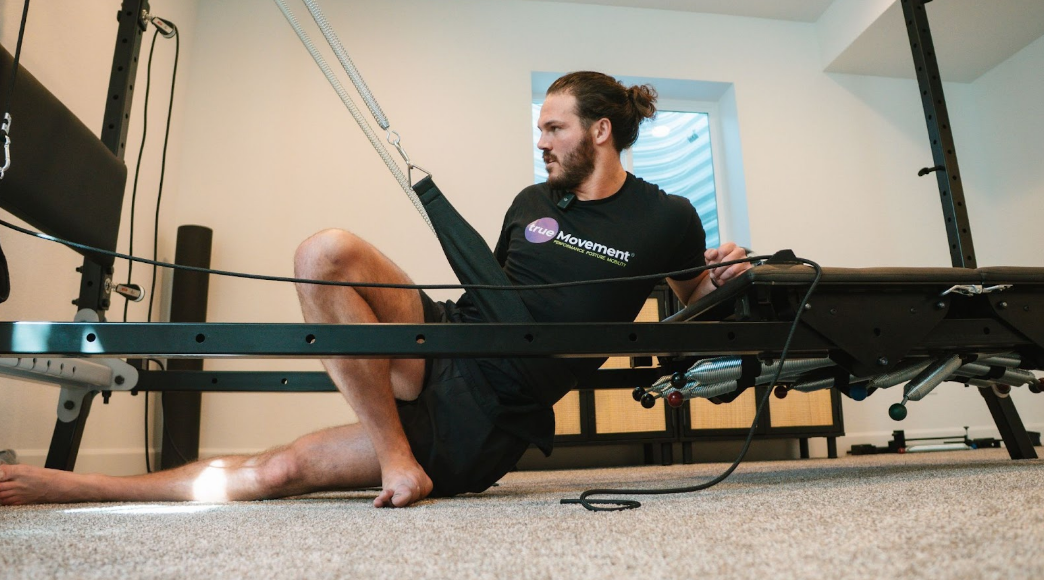

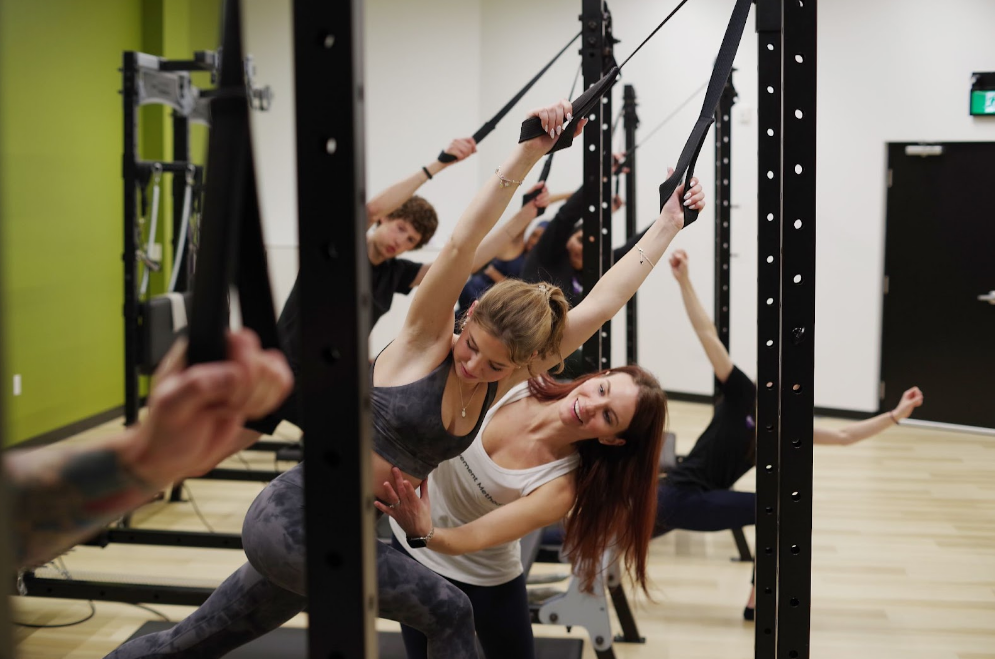
Entry into elite performance environments tends to move slowly, shaped by habit and guarded routines. True Movement™ entered those spaces through a different route. The system developed from founder Erin Baker’s search for a way of training that avoided rigid formulas. Existing methods often pressed athletes into a single pattern or philosophy.
Erin sought a structure that allowed multiple intentions to exist at once. Control, strength, coordination, and awareness needed to work together rather than compete for priority.
Early interest followed athletes who experienced clearer body awareness and steadier movement under load. Feedback focused on how the system addressed the body as a whole rather than isolating parts. Momentum grew as word spread through professional circles, leading to its introduction inside the Denver Broncos organization during a season that drew sustained national attention.
The connection did not rest on promises or performance claims. Exposure came through players willing to test unfamiliar tools in pursuit of marginal gains. Linebacker Alex Singleton became the most visible voice linked to the method after speaking publicly about his openness to experimentation. “Anything that you can do to take your game to the next level, I’m willing to try,” Singleton said in an interview with The Score. His comments framed True Movement as part of a broader mindset rather than a replacement for established preparation.
Singleton’s perspective resonated because it addressed a long-standing gap between strength work and movement demands. “In the weight room, it’s only strength. Then a lot of coaches will say the best thing you can do is stretch for two to three hours a day on your own, but no one ever does that,” he explained. His remarks reflected a common tension across professional sports, where time constraints and fatigue limit how much athletes can layer onto packed schedules.
Rising Attention as Strength and Performance Coaches Reassess Movement
Across professional leagues, strength and performance coaches continue to reassess how athletes move between lifts, practices, and recovery days. Interest has shifted toward systems that respect existing programs while adding movement variety. True Movement positioned itself within that space by emphasizing adaptability rather than prescription. Sessions adjust to fatigue, position demands, and individual structure.
Erin describes integration as a conversation with the body rather than a fixed sequence. Work often appears before lifts to prepare joints and coordination, during sessions to refine control, or afterward to restore balance. The aim centers on helping athletes organize movement across multiple joints at once. Erin avoids labeling results in numerical terms, choosing instead to observe changes in stability, rhythm, and confidence as athletes progress through demanding weeks.
That approach aligns with how Singleton described the platform’s effect. “People believe in Pilates, they believe in yoga, they believe in strength training, but they’ve never done it together. And not in male-dominated sports,” he said. His description emphasized how the system links core engagement with lower body action. “Your hips and your lower abs, groin, glutes, those are ready to work together. The second you can turn that switch on, which True Movement does, it instantly fires at a whole new level.”
Why the Method Resonates Inside High-Pressure Environments
Elite teams often favor systems that deliver repeatable structure without excessive explanation. True Movement gained traction because it adds a movement layer that complements strength and conditioning rather than competing with it. Athletes interact with the platform in varied positions and loading scenarios, which reflects the unpredictability of live play.
Singleton highlighted how training across planes shaped his experience. “The game of football is so unpredictable with your movement, you’re moving out of every different direction,” he said. “With the platform, I’m able to train in all these different planes.” His description covered shifts from single-leg to double-leg work, changes in foot position, and rotations through the hips and torso. The value lay in exposure to positions athletes encounter during competition..
Results emerged quickly in ways players could feel rather than measure. “That was the most shocking thing to me,” Singleton said. “It’s not one of those things where you need six-to-eight weeks. Give me two weeks and you’ll completely notice a difference.” Such feedback strengthened interest without relying on formal claims or internal commentary from teams bound by confidentiality.
Off-Season Outlook Across Multiple Sports
Attention toward integrated movement systems tends to expand during off-seasons, when athletes and staff gain space to reflect and explore adjustments. Erin expects curiosity to extend beyond football into sports such as hockey, mixed martial arts, and soccer, where rapid direction changes and contact demand precise control. Conversations often begin with how the method fits alongside existing lifts, conditioning blocks, and recovery protocols rather than replacing them.
True Movement earned its place by aligning with those needs. The system adds depth to preparation without increasing time burden. Athletes used the platform before, during, and after lifts, allowing movement quality to stay present across sessions. Erin credits that flexibility for why the method integrated smoothly within a professional setting.
Hope now centers on athletes sharing their own experiences when appropriate. Erin views player voices as the most accurate reflection of value, especially when they speak from seasons marked by pressure and physical strain. Singleton’s willingness to articulate his experience already shaped how peers view movement training.
The system’s presence within a top-tier organization signals a broader shift in how performance departments define durability and readiness. True Movement positions itself as a stable component of athletic preparation, both as a platform and a method. Adoption reflects a growing belief that movement quality deserves its own place alongside strength, speed, and conditioning, built to endure rather than cycle through trends.