Infrastructure development is happening at a pace rarely seen. Power stations keep cities running across the Asia Pacific (APAC) region. Manufacturing facilities support jobs and trade. Industrial capacity is scaling rapidly as governments and businesses build for tomorrow.
These systems rarely signal issues when everything works as planned. Yet in the drive for growth, there’s an underlying reality that every engineer, planner, and project leader feels. Growth must be safe, predictable, and resilient. That framework comes from the ASME standard. These standards influence decisions at early project stages and continue to shape performance across systems throughout their lifecycle. They also set the right tone for how risk is understood and managed entirely.
Building Reliability into Growing Systems
Infrastructure projects across APAC operate in demanding conditions. Conditions where facilities run across varied climates and projects involve multiple contractors. Such bitter realities place pressure on both systems and teams. But clear technical benchmarks can help reduce both uncertainties.
The ASME standard provides this common foundation. It offers guidance for pressure equipment, piping, and mechanical systems used in energy, industrial, and infrastructure projects. One needs such a level of consistency to keep teams aligned. Engineers, operators, and project owners speak the same technical language. Over time, this ensures there are fewer disconnects between design intent and operational reality
Many organisations also rely on risk management experts at this stage to interpret requirements clearly and apply them consistently across sites.
ASME Certification and What It Signals
Standards set expectations. ASME certification focuses on demonstrating those expectations under real operating conditions. For infrastructure projects, this distinction carries real value. An edge that builds trust across projects, partners, and regulators.
ASME certification helps organisations by offering:
- Recognition that carries weight across international projects
- Assurance that equipment follows established engineering practices
- Confidence for regulators, customers, and partners involved in complex builds
You will be a step ahead in terms of credibility, audit readiness, and long-term operational confidence, especially when guided by a risk management expert who understands certification expectations deeply.
Supporting Industrial Growth Across APAC
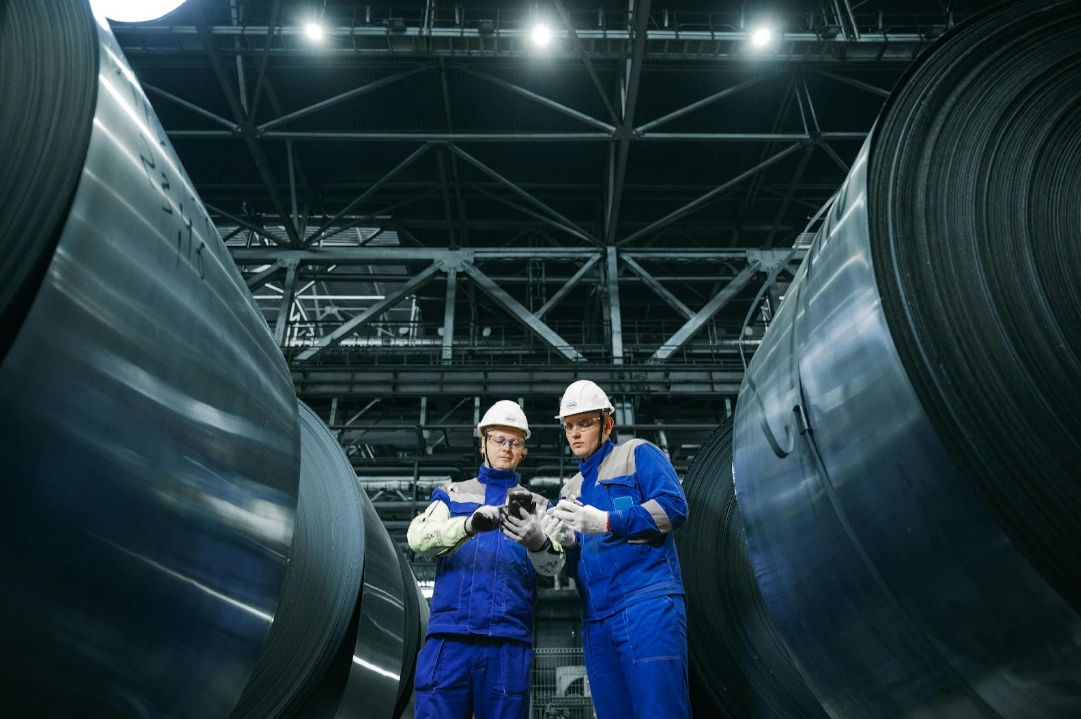
Many industries across the APAC region rely on systems that operate under pressure, heat, and continuous use. Every power generation, oil and gas, chemicals, and large-scale manufacturing depends on reliable equipment. A major reason behind these systems supports essential services and large workforces.
Even small disruptions can impact production schedules, safety expectations, and long-term performance. On the other hand, ASME standards provide structured guidance for how equipment is designed, inspected, and maintained.
When applied thoughtfully, the ASME standard supports infrastructure that feels stable and dependable, even as systems expand. You will experience consistency across sites, particularly under different operating conditions.
Where Standards Meet Day-to-Day Decisions
ASME certification adds value even after construction is complete. When used as part of inspection and assurance programmes, they help teams understand how assets perform over time. It supports informed judgement rather than spontaneous decision-making.
This approach helps organisations achieve:
- Consistent inspection practices across sites
- Clear visibility into equipment condition
- Better planning for repair and replacement activities
For long-life infrastructure assets, this clarity is very much needed for steady operations and more confident planning. There will be better collaboration between engineering, operations, and leadership teams.
A Shared Reference Point Across the Region
One of the strongest advantages of the ASME standard lies in how widely it is understood. Infrastructure projects across Asia Pacific often bring together diverse technical backgrounds, regulatory expectations, and operating cultures.
These differences can add complexity during project execution. A shared technical reference point helps keep teams aligned.
ASME certification provides that reference. It supports alignment across partners, simplifies technical discussions, and reinforces shared expectations around safety and performance. This shared understanding becomes especially valuable when projects involve multiple sites or phases across the region.
Preparing Infrastructure for What Comes Next
APAC infrastructure continues to evolve. Energy systems adapt. Industrial facilities modernise. New technologies enter existing environments. Mechanical integrity and pressure systems remain central across many of these developments.
But expectations around reliability and oversight will remain the same. Applying ASME standards supports a structured and forward-looking approach.
This preparation helps organisations to:
- Embed proven engineering principles into new and existing assets
- Maintain performance as systems grow in complexity
- Strengthen oversight across long operating lifecycles
- Align assurance activities with long-term infrastructure goals
This approach fits well with assurance models that focus on lifecycle thinking, supported by risk management experts who remain involved as assets mature and operating conditions change.
Conclusion
Infrastructure across Asia Pacific carries significant responsibility on its shoulders. The ASME standard plays a huge role in supporting this responsibility through clarity, consistency, and recognised engineering practices. These standards influence how assets are designed, reviewed, and maintained throughout their lifespan.
As infrastructure continues to develop across the region, ASME standards remain a steady foundation. It will help organisations build systems that perform reliably today and continue to earn trust over time. At the same time, applying these standards effectively requires more than internal effort alone. It calls for expert support that understands how ASME codes are applied, how quality assurance systems are developed and reviewed, and how inspection and certification processes work in real conditions.