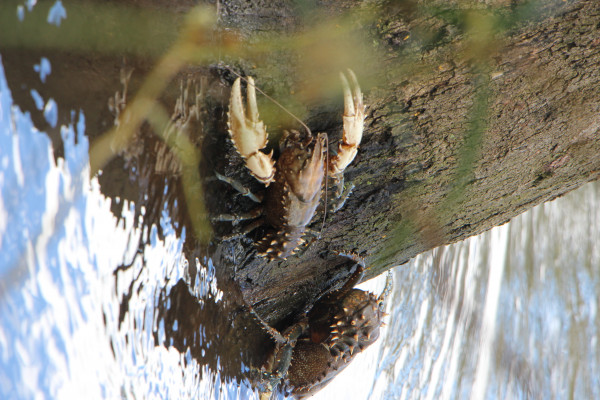
MORE than 1500 freshwater crayfish and hundreds of native fish are back in the Murray River after being rescued from last summer’s floods.
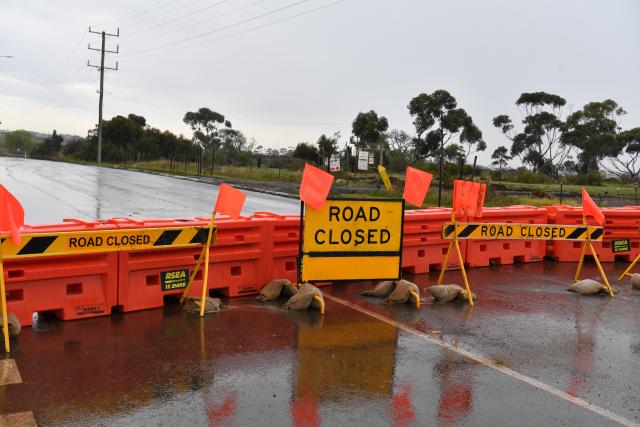
A rescue operation by OzFish Unlimited, volunteers, farmers, landholders and New South Wales and Victorian government agencies saved aquatic species following the significant flooding in the southern Murray-Darling Basin.
Some fish were rescued from wheat fields, OzFish said.
Working with like-minded organisations, OzFish’s fish emergency recovery teams went into action and donated more than 350 hours to collecting iconic aquatic species like the Murray cod, golden and silver perch.
OzFish volunteers rescued 775 freshwater crayfish and 47 native fish over two months.
The native fish and crayfish were taken to private aquaculture sites where they were looked after until the conditions improved before they were released back to where they came from in the Murray River in May.
The OzFish teams worked in conjunction with NSW DPI Fisheries, the Murray-Darling Basin Authority, Mallee Catchment Management Authority, the Victorian Fisheries Authority, First Nations communities, aquaculture organisations and community members, with funding support from BCF.
“Floods pick up debris like leaves, sticks and native vegetation,” OzFish program manager Braeden Lampard said.
“That causes survival problems for aquatic species because as it breaks down it sucks oxygen from the water.
“That meant that quite large areas of floodplains were inundated and that flooding essentially caused stress to many aquatic species.”
Mr Lampard said freshwater crayfish started leaving waterways because the quickly degrading conditions and the native fish were showing signs of stress and were losing colour.
“We worked throughout the mid and lower Murray from Mildura up to Barham for a month and a half, collecting native fish by boating along in a vessel and netting the distressed fish and placing them in a tank filled with oxygen to bring them back to life.
“To give you an idea of the scale of the flooding, we were catching distressed fish in the middle of wheat fields.”
Mr Lampard said spotting the distressed fish in the water was trickier than collecting crayfish that had climbed trees or wandered on to the land due to the state of the water.
OzFish is now working to restore healthy habitat in the hardest-hit areas.