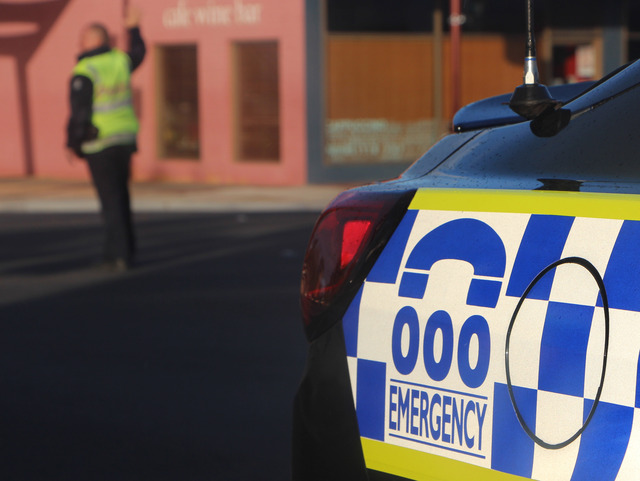
AMBULANCE Victoria’s Stroke Telemedicine service has proven to be a lifesaver for Swan Hill patients who may not otherwise have had access to expert stroke treatment.
This month the service hit the milestone of giving care to 20,000 patients over the last decade across the 18 Victorian hospitals and two Tasmanian sites.
In just the past eight months, the service has conducted more than 500 consultations across the rural sites, providing stroke patients with treatment in a timely manner.
Ambulance Victoria’s director of stroke services, Professor Chris Bladin, said providing access to all Victorians was the service’s key focus.
“Victoria Stroke Telemedicine has been up and running for the best part of a decade,” he said. “One of the driving principals of the VST is that we have equity of access to expert stroke care across all regional areas.
“Whether you are five kilometres from a major metropolitan hospital, or over 500 kilometres away in a smaller regional centre, you need access to stroke specialists who deliver expert treatments no matter where you live.
“VST has been able to deliver that across 21 sites across regional Victoria and into Northwest Tasmania as well, with our roster of about 26 neurologists.”
Professor Bladin said receiving timely treatment was integral to a patient’s recovery.
“All of this is designed to make sure that the stroke is treated as quickly as possible,” he said. “Because time is brain as we say.
“When a patient who is suspected of having had a stroke comes into the emergency department of a hospital like Swan Hill, the staff there will call and receive direct access to the stroke expert.
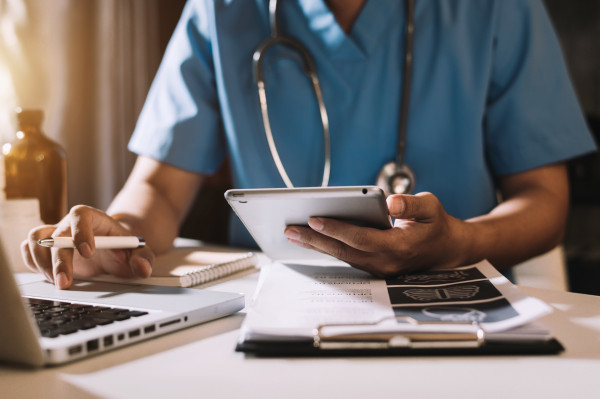
“They will then speak to the clinicians and have a look at the brain scans of the patient, before using our equipment to conduct a telemedicine call into the emergency department.
“They will speak to the patient or the family to discuss what is happening with that stroke as well as what will be the best treatment for that person, which may include giving medication such as clot busting therapy.
“It doesn’t just let us start treatment earlier, it also allows us to give advice about what happens next.
“Having a stroke is one thing, but looking into the underlying causes of the stroke is another key element to it.”
Professor Bladin said telemedicine was becoming a first port of call for medical professionals.
“Across all aspects of clinical medicine, telemedicine is making a real difference,” he said. “We like to think of telemedicine as now becoming a second nature, instead of a second thought.
“When we first started this back in the early 2010s, telemedicine was seen as a bit of a crazy idea.
“It’s not just patients, it’s also clinicians getting used to the idea of contacting someone via telemedicine to assist them.
“Technology has really been what has allowed this to happen, with mobile phones and having high capacity broadband.
“We were dealing with a scratchy telephone line or internet connection, but now having very smooth audio-visual communication has really cemented this as the future of care.”