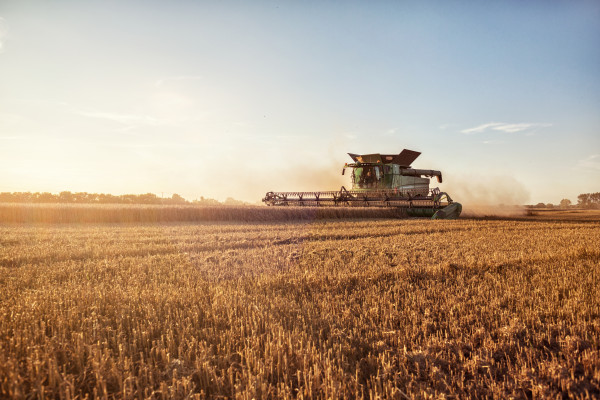
WINTER crop production is forecast to fall from record highs due to below-average rainfall for winter and spring.
ABARES executive director Dr Jared Greenville said the Australian Crop Report forecast total Australian winter crop production to fall by 34 per cent to 44.9 million tonnes in 2023-24, following three consecutive record production years.
He said the start of the winter cropping season had been “mixed”.
“Early autumn rainfall in some major cropping regions in southern Victoria, southern New South Wales … replenished soil moisture levels and provided favourable planting condition,” Dr Greenville said.
“However, autumn rainfall in northern New South Wales, northern Victoria … has been lower than average and soil moisture levels have remained low.”
Winter crop production was expected to decline to 3 per cent below the 10-year average of 46.4 million tonnes and yield prospects were forecast to be below average due to the expectation of below-average rainfall for winter and spring.
“Increased mouse activity in many cropping regions has resulted in growers undertaking more baiting this season,” Dr Greenville said.
“The delayed and difficult harvest of the record 2022-23 winter crop led to greater grain loss than usual.
“On a more positive note, high crop prices, good seasons and record farm cash incomes over the last three years mean many growers will stay in a strong financial position despite the fall in production.
“This will incentivise farmers to plant a crop this season while also allowing some growers to fallow a higher proportion of paddocks in dry areas.”
For the major winter crops, area planted to wheat was forecast to fall by 2 per cent to 12.8 million hectares and area planted to barley was forecast to increase by 4 per cent to 4.3 million hectares, largely because of the crop’s ability to withstand drier conditions compared to wheat and canola.
The longer planting window for cereals was also expected to result in some late plantings following rainfall events.
Dr Greenville said a “significant downside risk” to the 2023-24 winter cropping season was the potential for an El Nino event and positive Indian Ocean Dipole to both eventuate this year.
The Victorian Farmers Federation urged farmers and decision-makers to prepare for drier conditions.
VFF president Emma Germano said despite many farmers being well placed following years of favourable growing conditions, now was the time to prepare for the impact of potential drier months ahead.
“By and large, we’ve had incredibly good farming conditions for the past few years here in Victoria, that has resulted in record harvests and outputs,” Ms Germano said.
“That can’t last forever and many farmers are already preparing for drier times ahead.
“It’s a difficult balancing act, with farmers juggling skyrocketing input prices and volatile market conditions.”
Ms Germano said long-term thinking was needed to ensure the industry was equipped to navigate the inevitable changes in weather conditions.
“With drier conditions comes the inevitable risk of bushfires and their devastating impact on communities,” she said.
“Resilient infrastructure that can withstand the extremes of our environment needs to be considered.
“We can’t afford to be continually counting the cost of crippled roads, fences and telecommunication networks that we know fail during times of disaster.”