A CHANGE in the way some Australians can purchase prescriptions is leaving local pharmacists concerned for both their patients and their businesses.
It was announced last week that under a controversial shake-up of the Pharmaceutical Benefit Scheme (PBS), around six million Australians will be able to buy 60 days’ worth of some medicines for the price of a single prescription from September.
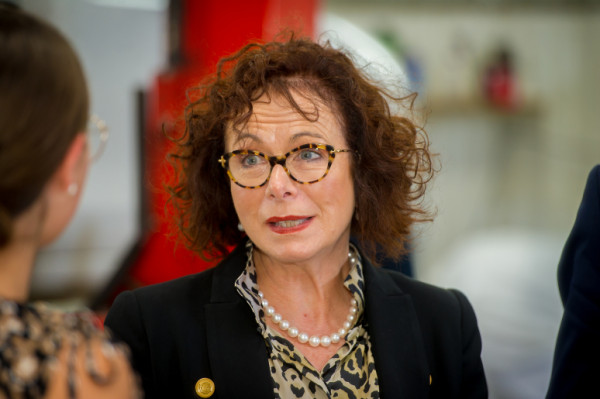
Member for Mallee Anne Webster told The Guardian she has already been contacted by a number of local pharmacies, including Cohuna and Lake Boga, who are concerned with this move and what it means for their businesses.
“We are seeing a pattern emerge where the Federal Labor Government develops a headline rather than a well-developed policy, which fails to appreciate the consequences for regional communities,” Dr Webster said.
“As it stands, pharmacies are often unable to supply patients with their regular medications due to nationwide shortages of common medications.
“Doubling the allocation of dispensed medications for one patient could see others miss out, with those supply chains already struggling.”
Dr Webster believes there are many layers to the change that need to be considered.
“On the face of it, there are benefits for patients in terms of convenience by being able to get double the medication – but these benefits would be eroded if community pharmacies are forced to close and customers cannot buy the medications they need when they need them, and indeed be forced to travel many kilometres to find a pharmacy elsewhere,” she said.
“It is important to remember pharmacies are paid per dispensing, and so this policy effectively halves the income they earn to provide a vital health service, risking their business viability.”
There are also concerns of medication mismanagement with the 60-day dispensing.
“Pharmacists are currently able to communicate regularly with patients who come in to fill scripts and monitor their medication usage,” Dr Webster said.
“With more medication in a patient’s cupboard, two months is a long time for someone to be taking a medications incorrectly (should this occur) which risks poor health outcomes.”
Dr Webster has written to Minister for Health and Aged Care Mark Butler to relay the concerns of local pharmacists.
“I have made it clear the Albanese Government need to ensure this new policy does not trigger supply collapse or the closure of local pharmacies or reduction in their operating hours,” Dr Webster said.
“I will continue to hold the government to account regarding decisions like this that regularly disregard the impacts and reality for regional and remote communities, particularly in the Mallee.”