BALRANALD residents who were previously exposed to Japanese Encephalitis Virus (JEV) are being invited to take part in important medical research aimed at better understanding the disease.
A research team will be in Balranald on Friday, June 20 from 8am, meeting with community members interested in participating in the study.
Future visits to other areas, including Swan Hill and Mildura, are also being considered.
A 2022 NSW Health survey revealed that one in 11 participants showed signs of past JEV infection.
Those who tested positive, along with close contacts who may have been exposed, are especially encouraged to take part in the research.
This study is part of ongoing efforts to learn more about the virus, which caused a significant outbreak in southern New South Wales several years ago.
Balranald was among the affected areas, with several residents found to have JEV antibodies.
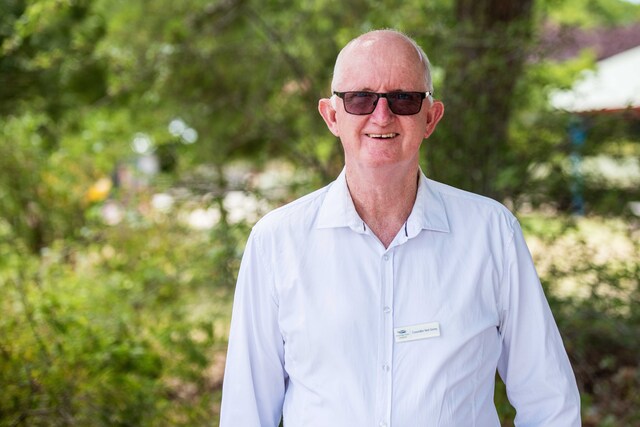
Peter Doherty Institute professor Stephen Kent said JEV is a serious disease in urgent need of better treatment.
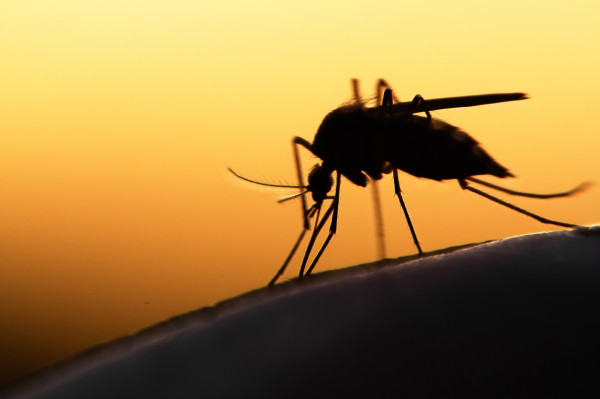
“Japanese Encephalitis Virus is transmitted by mosquitoes and can, in a small number of cases, cause severe brain infections,” he said.
“There are currently no specific treatments, only supportive and intensive care when symptoms become serious.
“That’s why research into new therapies is so important.”
While a vaccine for JEV exists, it is not widely used across Australia.
“There is an effective vaccine, but it’s typically only given to those at risk,” Professor Kent said.
“It’s not part of a routine vaccination schedule.”
Due to climate change and wetter weather patterns, mosquito habitats are expanding, and with them, the spread of JEV.
“Historically, JEV was found in parts of Asia,” Professor Kent said
“But in recent years, particularly following heavy rainfall, the virus has spread into areas like the Murray Valley due to increased mosquito populations.”
Free vaccines are available for people in high-risk areas or occupations.
“The vaccine is highly effective,” Professor Kent said.
“While it’s not recommended for everyone, it is provided free of charge to eligible groups.”
Most people infected with JEV do not show symptoms.
However, in rare cases, less than one per cent, the virus can cause serious infection of the central nervous system.
With the potential for JEV exposure increasing, health authorities are urging those at risk to speak with their GP about vaccination.
Free vaccines are available to people living or working regularly in eligible local government areas.
To check eligibility in Victoria, visit www.health.vic.gov.au and search Japanese Encephalitis.
For NSW residents, visit www.health.nsw.gov.au and search Japanese Encephalitis.
In the meantime, residents are reminded to take precautions against mosquito bites, especially during wetter months or known outbreaks.