SEEDING programs are in full swing throughout the Mallee, with the Bureau of Meteorology predicting a drier-than-average April, May and June.
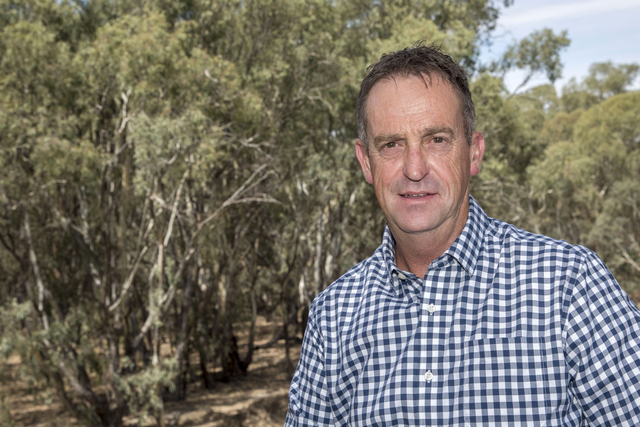
Elders Swan Hill agronomist Pat Conlan said despite the recent lack of rain, farmers remained optimistic leading into this year’s cropping program.
“After little to no rainfall since Easter, the top three to four inches of the soil profile has dried out,” Mr Conlan said.
“Off the back of some good summer rainfall there is moisture at depth.
“However, there’s not enough moisture in the topsoil for crops to germinate so now we are just waiting for a rain to get these crops up and away.”
He said farmers remained positive and had started the year off with good levels of sub-soil moistur, off the back of “strong seasons in succession”.
With farmers keeping a constant eye on the weather forecast, a series of upper-level troughs and low-pressure systems will trigger multiple days of rain and thunderstorms over Australia this week, according to Weatherzone, but at this stage the front is predicted to have minimal impact across the Mallee.
“Ideally, we would like to get a solid autumn break to be seeding into moisture to establish crops on time and get a great knockdown on any early weed pressure,” Mr Conlan said.
Despite the lack of autumn rain, Mr Conlan said sub-soil moisture was “good for those with thorough summer weed control”.
With no major changes to long-term rotations, wheat, barley, vetch and lentils were being sown, as well as field peas, lupins, chickpeas, oaten hay and canola, pending soil type and rotations.
Mr Conlan said the management of resistant weeds remained an ongoing challenge – in particular, glyphosate-resistant ryegrass during the cropping season and fleabane over the spring/summer period.
“The increased incidence of feathertop Rhodes grass across the Mallee also poses a fairly new challenge for farmers which they may have to tackle this season,” Mr Conlan said.
“Another challenge will be getting nutrition programs right, with farmers pulling off some big crops in recent seasons, leaving plenty of nutrient removal to be accounted for.
“Getting the nutrient budget right is one thing but physically getting fertiliser out on paddocks in itself can be a challenge during the busy period after cropping.”