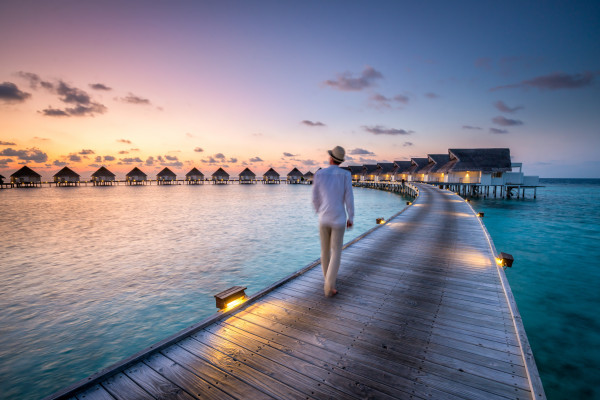
Luxury travel emphasizes unparalleled comfort, exclusivity, and personalized services such as high-end accommodations, exceptional service, fine dining, exclusive experiences, privacy, and top-quality transportation. Attention to detail, wellness services, and cultural immersion are crucial in defining the luxurious travel experience influenced by individual preferences.
On the other hand, local tourism involves leisure travel within one’s own country or region, covering shorter distances and durations than international travel. It includes exploring nearby destinations, attractions, and activities, contributing to the local economy, and offering a convenient option for recreational travel.
So, what are the effects of luxury travel on local tourism? Read below to find out more.
Positive Impacts
Below are the positive impacts of luxury travel on local tourism:
Economic Boost
Luxury travelers contribute significantly to local economies through accommodations and patronizing high-end dining, shopping, and personalized experiences.
For instance, the presence of affluent tourists in cities such as Paris and Tokyo has notably increased the revenue of local businesses, including luxury boutiques and fine dining establishments.
Transportation businesses also prosper, such as what limousine rentals do at allurelimousines.com.au.
Job Creation and Infrastructure Upgrades
The demand for upscale services drives workforce expansion, prompting investments in infrastructure to improve the overall visitor experience.
In destinations like Dubai, the growth of luxury tourism results in job creation in hospitality, aviation, and service industries, accompanied by simultaneous investments in state-of-the-art infrastructure.
Cultural Preservation and Sustainable Practices
Luxury travelers contribute to cultural preservation, fostering initiatives to protect heritage sites and promoting sustainability through eco-friendly practices.
Examples include the efforts in Bali to preserve traditional dance and art forms, supported by luxury tourism initiatives that fund cultural programs and workshops.
Educational Programs and Cultural Exchanges
Luxury travel encourages educational programs and cultural exchanges, deepening understanding and appreciation of the destination’s history and traditions.
Many travel and tour companies offer exclusive cultural tours, exemplifying how luxury travel can provide educational experiences and facilitate interactions between travelers and local experts.
Enhanced Destination Profile
Luxury tourism elevates a destination’s profile, diversifying the tourism landscape and attracting positive media coverage.
The transformation of Iceland from a relatively unknown destination to a luxury hotspot is attributed to positive media coverage highlighting its unique landscapes and high-end experiences.
Negative Impacts
Below are the negative impacts of luxury travel on local tourism:
Inadequate Sustainability
Poorly managed luxury tourism infrastructure can harm the environment through resource demands and inadequate sustainability practices.
The overdevelopment of coastal areas for luxury resorts, as seen in some Caribbean islands, threatens local ecosystems and marine life.
Social Inequalities and Increased Cost of Living
The influx of luxury tourists can create social inequalities, raising the cost of living without corresponding benefits for the local population. I
In Venice, the surge in property prices due to luxury tourism has displaced local residents, causing social imbalances.
Commodification of Culture
Mismanaged luxury tourism can commodify local culture, reducing it to a marketable product for tourist consumption and eroding authenticity.
The proliferation of souvenir shops selling mass-produced cultural artifacts in destinations like Barcelona exemplifies how cultural commodification can diminish authenticity.

Strategies for Sustainable Luxury Tourism
Here are the different strategies for sustainable luxury tourism:
- Community Involvement
Engage local communities in decision-making, ensuring equitable distribution of economic benefits through collaboration, job creation, and skill development. The community-driven tourism initiatives in Costa Rica showcase a successful model, where local communities actively participate in decision-making processes.
- Environmental Stewardship
Commit to minimizing the ecological footprint through energy-efficient infrastructure, waste reduction, and responsible wildlife tourism. The eco-friendly initiatives in the Maldives, including sustainable overwater villas and coral restoration programs, demonstrate efforts toward environmental stewardship.
- Cultural Preservation
Actively protect cultural heritage by safeguarding traditions, arts, and customs. Collaborate with local artists, support cultural events, and promote respectful tourism practices. The partnership between luxury hotels and local artisans in Marrakech, where traditional crafts are preserved and showcased, exemplifies cultural preservation through collaboration.
- Capacity Management
Implement effective management to prevent overcrowding, limit visitor numbers, stagger peak seasons, and create exclusive, personalized experiences for balance. The regulated access to the Galápagos Islands, limiting the number of visitors to protect the fragile ecosystem, showcases effective capacity management.
- Education and Awareness
Invest in educational programs for tourists, highlighting responsible tourism practices and promoting awareness about local customs, environmental conservation, and socio-economic impacts. The educational initiatives in Bhutan, where tourists must adhere to a set daily spending limit that includes contributions to local communities, exemplify a commitment to responsible tourism.
Conclusion
Luxury travel significantly affects local tourism, requiring careful management to address negative impacts. Real-world examples highlight these effects. Prioritizing community involvement, environmental stewardship, cultural preservation, capacity management, and education is vital for the destination’s and its communities’ well-being.
Sustainable luxury tourism is crucial for preserving diverse destinations. Balancing the benefits of attracting luxury tourists with respect for local needs ensures sustainable and responsible tourism development, considering and mitigating environmental, social, and cultural impacts.