YOUNG people in Swan Hill and in the broader Mallee region are facing some uphill battles when it comes to their reproductive health, but Youth Inc, the youth engagement program run by the Swan Hill Rural City Council (SRCC), is providing services to change that.
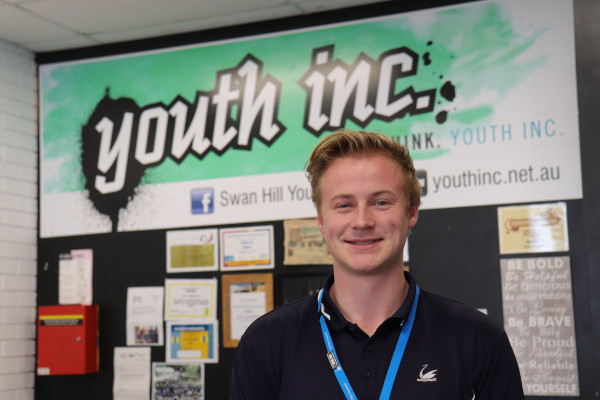
Youth Support Officer Will Burns spoke with The Guardian about how more positive engagement with schools and health services can make a huge difference in teen pregnancy rates, with Swan Hill having some of the highest in the state.
“Schools occupy a space where they could make a massive contribution to sexual education,” Mr Burns said.
“The young people that we have consulted with have said that the education is inconsistent.
“Some young people recall having brilliant teachers that were confident, others recall teachers that were clearly uncomfortable with the topic, which then made their students discredit what was being taught.
“It is important not only to educate our young people, but also upskill other adults such as teachers and parents so that they are better equipped to answer some more confronting or difficult questions.”
Mr Burns said young people in the Mallee were not only wanting consistent and yearly sexual health classes, but also curriculums which encompass same-sex attraction and consent.
And in addition to this, accessing contraceptives or family planning services through the health system can also be daunting for young people.
“What we (Youth Inc.) want young people to understand is that they don’t need their parent’s permission to book or go to an appointment if they’re under 18,” Mr Burns said.
“Australia’s medical confidentiality laws mean that if you are over the age of 14, health professionals are not allowed to share any of your personal or medical information to anyone else, (including your family and partners), unless you give them permission.
“These are young people’s rights, which haven’t been properly communicated to them at an early age.”
In the National Survey of Australian Secondary Students and Sexual Health 2018, on average teenagers reported that 62 per cent of the time they would often or always use a condom.
In Swan Hill, less than 20 per cent of young people were sometimes or often using a condom.
“It can be a tough topic to speak to parents or health professionals about,” Mr Burns said about young people looking to access contraceptives.
“And for women, there aren’t often in-depth conversations about contraceptive options.”
Mr Burns said another issue with young people becoming pregnant is that they could sometimes face discrimination because of their choices, or health staff automatically assumed they wanted a termination.
Youth Inc. are working with local providers and also utilising their own resources to help young people make the best choices for their bodies.
“What we do at Youth Inc. is we can provide transport to and from appointments, we can book appointments, make it as accessible as possible [for young people],” Mr Burns said.
“And we have a youth program which focuses on sexual health, and we can have confidential discussions.”
Mr Burns said in contrast to metropolitan regions, in regional areas even being able to physically get to a hospital could be difficult.
“In places such as Manangatang and Piangil there are black spots which can affect phone and internet services, which makes it hard to book appointments or get information,” he said.
“And then there’s only one bus which goes into Swan Hill, so if you want to get to the hospital, you also need to find a way to pay for your ticket and get on it at the right time.
“In Melbourne, a young person can just jump on a tram and go into an appointment after school.”
Mr Burns said empowering young people to talk about their sexual health and reproductive decisions with educators, parents, and other trusted adults was key to lessening the secrecy and stigma around the issue.
For more information, call Mr Burns 0419 288 365.