A UNITED Nations representative is encouraging community organisations to take credit for their work in addressing homelessness during the COVID-19 pandemic.
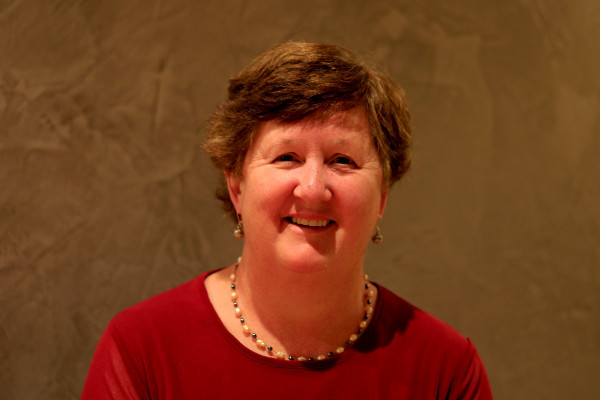
Providing emergency food packages was one example of how community organisations were contributing to the bigger picture, UN Association of Australia – Victoria executive manager Sophie Arnold said.
Ms Arnold, whose mother is from Swan Hill and aunt lives in Nyah West, said she was looking forward to making the trip for the Mallee Neighbourhood House Network forum held last month.
When lockdowns forced the event online, Ms Arnold took the opportunity to speak about the UN sustainable development goals (SDG), including no poverty, zero hunger, good health and wellbeing and quality education.
“These goals are a global agenda, but there’s been recognition that they won’t be achieved without local action,” Ms Arnold said.
“Groups like neighbourhood houses are embracing this idea that what they’re doing can be recorded against this global agenda.
“We’re saying to them, look at what you’re doing already – it’s contributing to a number of goals.”
Hundreds of grocery parcels have been distributed throughout Swan Hill, Kerang and Cohuna to families struggling to make ends meet during ongoing statewide lockdowns.
“A lot of neighbourhood houses last year and this year have done an enormous amount in terms of food, which is contributing to SDG number two, zero hunger,” Ms Arnold said.
Ms Arnold is encouraging humble community organisations to recognise their work and use it to secure future funding.
“Look at what you’re doing and take credit for that – show local and state government that what you’re doing is making a difference,” Ms Arnold said.
“Many of the houses have incorporated SDGs in their strategic planning and reporting to funders, local councils, and really making use of them as a resource.”
Groups can also view the goals as inspiration for future projects.
“Charlton Neighbourhood House is moving towards becoming climate-resilient – that’s going to be a big issue for others, and especially those in the Mallee,” Ms Arnold said.
She said a collaborative approach was vital when addressing social inequality.
“Partnerships are the key with homelessness and housing – everyone has got to work in partnership.
“There is more increasing evidence that the private sector is becoming more involved in social housing.
“It’s about deciding what are the priorities.”
Sustainability needed to be thought of as more than just saving the planet, Ms Arnold said.
“A lot of countries have been involved in sustainability for a long time – but environmental sustainability.
“Whereas the SDGs are about economic, social and environmental sustainability with a broader view of what you can do to have an impact, across a holistic approach.”
The 17 sustainable development goals were agreed to by the UN’s 194 member states in 2015 as the blueprint to achieve a better and more sustainable global future.