RECENT research published in Science magazine has painted a dire picture of the climate for future generations and young people in the region are deeply concerned.
The worrying findings included that a child born in 2020 would endure seven times more heatwaves than someone born in 1960, even if countries fulfilled current pledges to cut carbon emissions.
The study found today’s babies would grow up to experience twice as many droughts and wildfires and three times more river floods and crop failures than someone who is aged 60.
Jake Murphy, 16, of Wedderburn, is not surprised.
“Obviously it’s quite on the nose,” Jake said.
“It’s not new and that’s the sad thing.”
Emma Pyper, 17, who grew up on a Manangatang farm and is finishing her schooling in Mildura, has seen first hand the effects of drought on the community and her family.
“Hearing these predictions of young children growing up in an environment with increased risk of climate issues, such as droughts and wildfires, is a worrying realisation of the current state of our nation and the possibilities that may arise for coming generations,” Emma said.
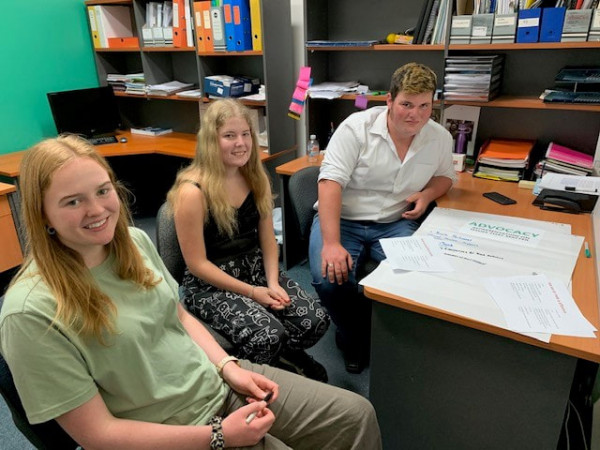
Young people like Jake and Emma are balancing their final years of schooling with advocacy for action on climate change.
Emma is a member of the ADAPT Loddon Mallee Youth Climate Advisory Board, representing the Mildura and Manangatang region, and was a participant in the Mildura School Climate Strike.
“Currently, Australia as a whole is not addressing this concern to the extent it should be,” Emma said.
“We as a diverse nation have the ability to learn from traditional owners and citizens involved within agricultural industries, where we can gain an education towards various ways of sustainable living to reduce our overall impact.
“Lowering carbon emissions should be a goal for both individuals and corporations, however larger industries must have some extent of control and restrictions regarding the quantity of their emissions in order to achieve our targeted goal.”
Jake is also unimpressed with Australia’s progress on the issue of climate.
“We’re a hot and dry country, with sun and so much unused land,” he said.
“When people say you can’t just flick off two or three industries, I think in the process (of moving to cleaner energy) you can create 15 more – to me it’s a no-brainer.
“At this point, and for my generation, caring about the environment and climate is less a want, and more of a need – soon it’s not going to be our parents’ problem.”
Like Emma, Jake has taken action through his work with DELWP, reviewing local shire emissions and through the North Central Local Learn Engagement Network’s (LLEN) youth advisory council.
He said talking about the topic and keeping the issue present was a key way for him to advocate, especially in country areas.
He is not planning to have children and is hoping to work as a legal aid lawyer or a composer in the city and rely on public transport rather than a car.
Editor of the UK-based website Carbon Brief, Leo Hickman, said the young generation would need to emit eight times less carbon dioxide over their lifetime than grandparents born in the 1950s.