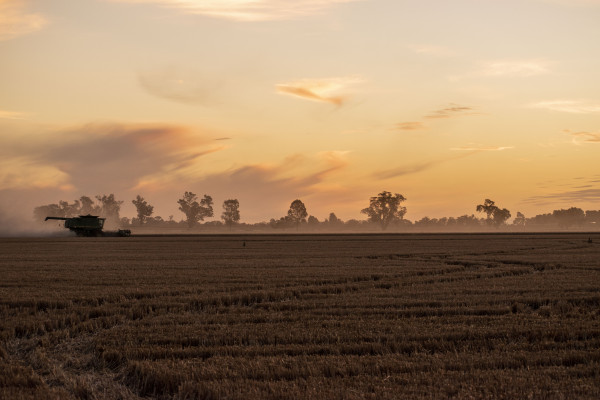
Home to around 2500 people, Finley is characterised by its lake, wall art murals, and love of sport. It boasts names like Tom Hawkins, Shane Crawford, and Spiderbait.
Like every rural community, there are strengths and challenges to living where we do.
Finley and the Riverina’s obstacles are often hidden to those on the outside.
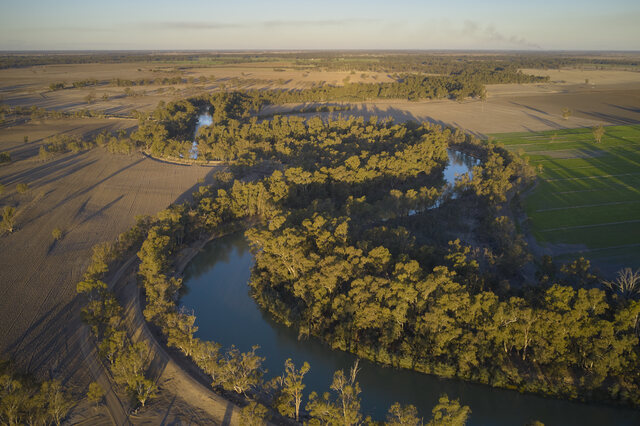
A flowing river, full channels and green crops mask the struggles the area has faced in recent years, including the Millennial Drought and the subsequent implementation and consequences of the Murray-Darling Basin Plan (MDBP).
While the MDBP was enforced as a way to “bring the Basin back to a healthier and sustainable level, while continuing to support farming and other industries for the benefit of the Australian community”, the plan in action has been, according to many, nothing short of disaster, for communities, irrigators and the environment.
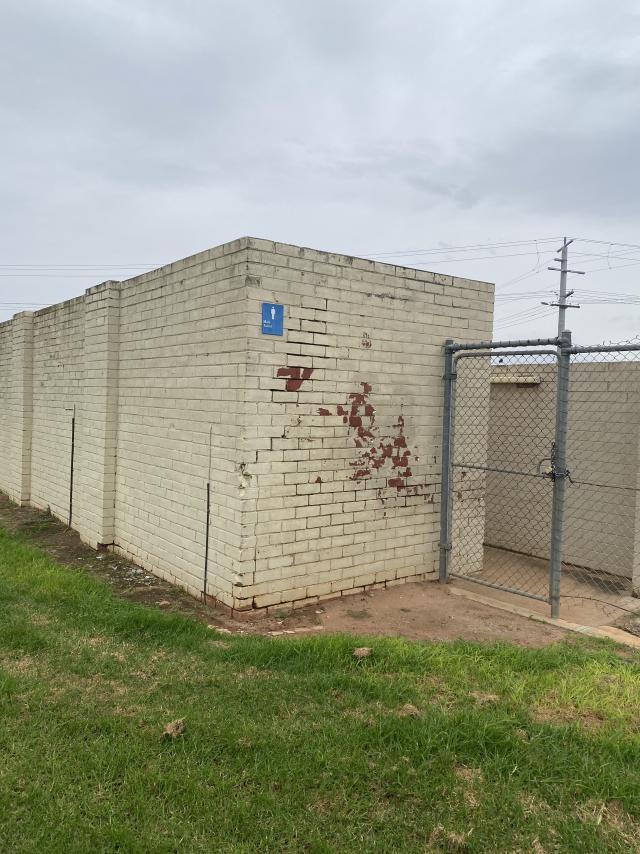
Between 2006 and 2016, the township of Finley lost around eight per cent of its population. Driving down the main street now, you’ll see the shops that are now empty, for sale signs all but fallen and tattered.
But, it is here where you will find the strength in small towns – their community spirit.
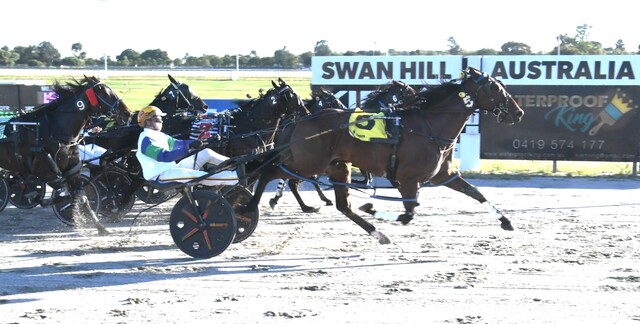
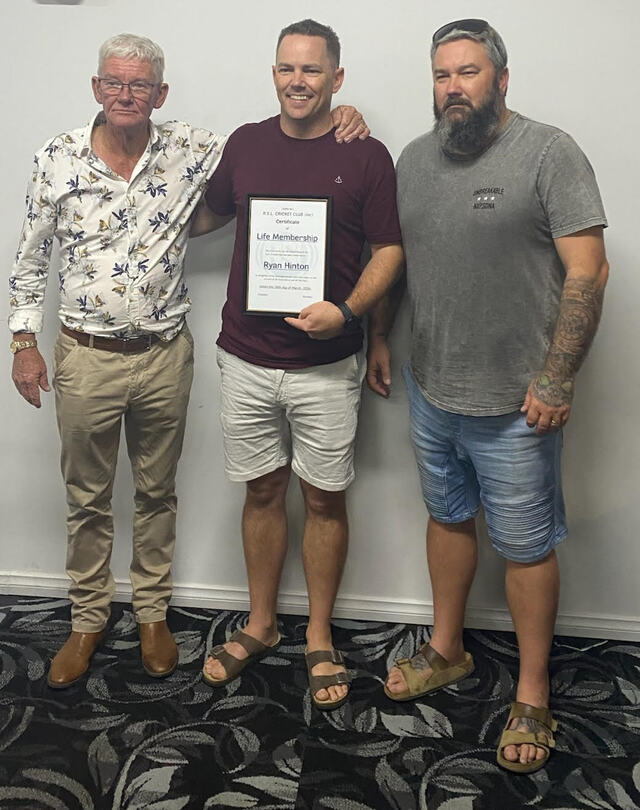
Despite hard times, the town is still alive, the sporting teams continue to compete, farmers continue to plant crops, and Finley is still on the map.
I think in a way, the COVID pandemic has highlighted some of the good lifestyle aspects of rural and regional living.
There seems to have been a shift in work culture, from you have to be at the office to be doing work, to being more considerate of allowing people to work in the best environment for them.
With this flexibility and the technology to be able to work from home from almost anywhere in the country, why be stuck in a small city apartment complaining of the street noise when you could be looking at the Murray River and listening to the water flowing and birds chirping?
But even though there seems to have been a mass exodus from the cities to the regions, I think there is still a blissful ignorance to just how important communities like ours are, and why they are here.
During the middle of harvest, my brother had an event on in Melbourne. So my sister and I, who worked at the local silos, managed to get the afternoon off to race down there and head back for work early the next morning.
When talking to some of my brother’s friends at the event, they were amused at the thought of harvest being such a big deal.
“That’s so cute!” they said. “All of your family working harvest together, that is so cute!”
Well, I’m not sure I would ever describe harvest time as “cute”.
To me, this really helped me to understand just how much disconnect there is between city and country people.
These friends, both smart and university educated, just had very little concept of where the food on their plate actually comes from.
I don’t think they realised the true purpose of rural towns like Finley and Swan Hill – keeping people fed, clothed and homed.