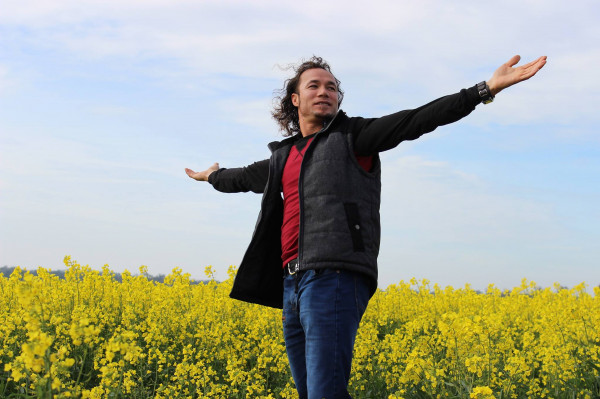
A “MIRACLE” may end 11 years of “limbo” and allow Swan Hill local Rohullah Hossaini his first glimpse of his two-and-a-half-year-old daughter in the flesh.
Mr Hossaini is one of thousands of refugees who stand to benefit from the Labor Party’s election victory.
The Labor Party promised to abolish temporary protection visas (TPV) and grant permanent residency to refugees living on TPVs in Australia.
Mr Hossaini has lived in Swan Hill ever since he arrived over 11 years ago, but has not been able to invite his family due to his TPV. He said he now hoped to be “reunited” with his wife and see his daughter, Jasmine, for the first time.
“(My family) are hopeful and are waiting to see a miracle,” said Mr Hossaini, who last saw his family three years ago. “Jasmine has not seen her daddy.”
Mr Hossaini, who works three jobs and is an SES volunteer, said if his residency status were to change, he would invite family members to join him.
“It’s not just a family reunion for us,” said Mr Hossaini, who described Swan Hill as his hometown. “It’s a win-win for both sides.
“For little towns like Swan Hill around regional Australia, there’s a labour shortage. I have five brothers and a wife who’s a beautician. When they come here and are reunited with me, they will be a workforce (for this community).”
Mr Hossaini said there were more than 80 people in the Swan Hill area living and working while separated from their families in Afghanistan.
“We’re paying taxes and working … on farms and factories. We’re doing physical, hard work. All refugees have been in limbo life for the last 11 years. I do hope (Labor) can do something.”
Louise Redmond, the National President of Rural Australians for Refugees (RAR), said there were “scores of Afghan refugees” living in “limbo” about Swan Hill and the end of TPVs would provide a boost to the regional workforce.
Ms Redmond said she was “really expecting” Labor to follow through on its pledge to grant permanent residency to refugees on TPVs within the first 100 days of taking office.
She said while rural communities differed in their political leanings, the permanent residency of thousands of refugees would provide a boost to regional workforces.
“The big issue is … we have not been able to get enough people to work,” Ms Redmond said.
“These are educated people who want to work, and they’ve got skills and talents we need … in rural and regional areas.”